ACV vs RCV on an equipment insurance claim
Actual cash value pays replacement cost less depreciation; replacement cost value pays to replace. What decides the gap and how the appraisal clause settles it.
Read the article →Plain-English guidance from an independent machinery and equipment appraisal firm: the premises of value, what lenders and the SBA require, and what moves the value of the assets that run a business.
Latest insights
Short, direct articles on the premises of value, the situations that call for an appraisal, and what moves value across the machinery and equipment businesses run on. Each one is written by an appraiser, not a marketer.
Actual cash value pays replacement cost less depreciation; replacement cost value pays to replace. What decides the gap and how the appraisal clause settles it.
Read the article →The lease defines the value, the date and the dispute mechanism. How the appraisal procedure works and what a third appraiser does.
Read the article →233 matched pairs of tractors, excavators, skid steers and day-cab trucks: auction sold price as a share of dealer ask, by class and age. Method and CSV included.
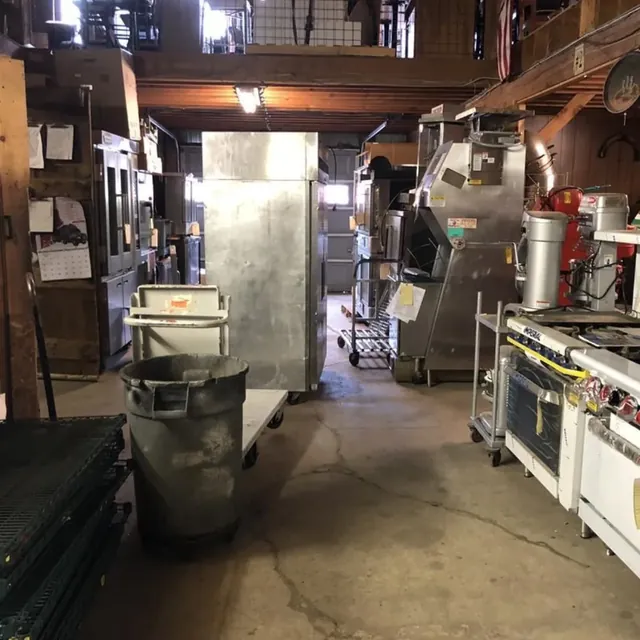
Read the article →Deli and bakery equipment sells; built-in cases, walk-ins and compressor racks recover far less than they cost. What sets recovery, and what a lender should ask for.
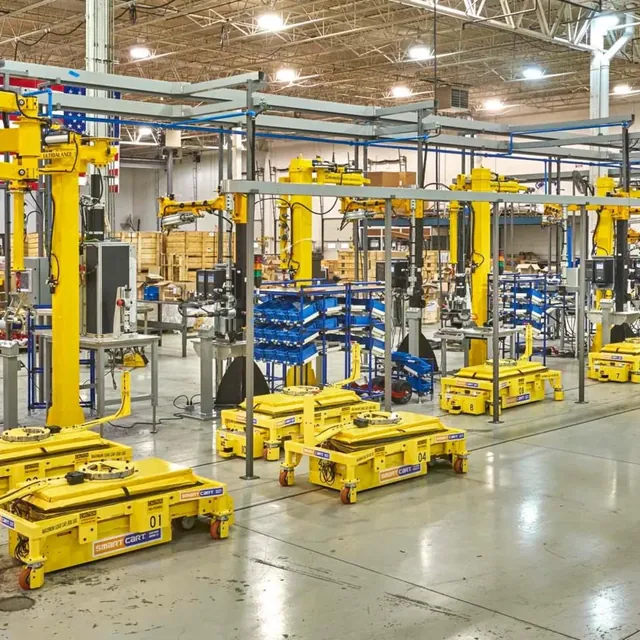
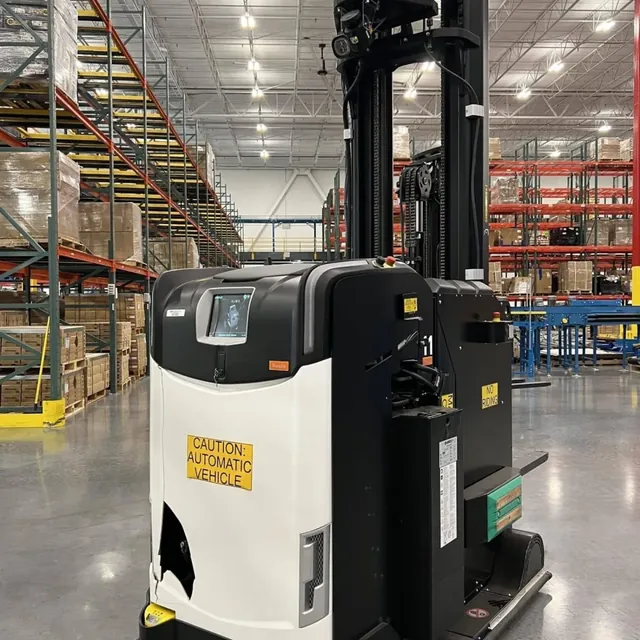
Read the article →AGVs, AMRs, ASRS and robotic picking carry value in the software and the integration. Installed and removed, the same system produces two very different values.
Read the article →After an asset acquisition closes, the price is split across asset classes. What the equipment appraisal supplies, which premise applies, and who performs the allocation.
Read the article →The fleet is one number and the company is another. What sits outside the equipment schedule, who prices it, and why a lender or a surety tests the iron first.
Read the article →The gross amount equipment would bring at a quick, compelled auction, and the most conservative premise in the file. How it differs from OLV and NOLV, and what widens the gap.
Read the article →Premise, effective date, scope, independence and testimony: five things counsel should settle before the appraiser starts, because every gap in the file becomes a line of cross-examination.
Read the article →Term loans, leases, refinances and asset-based lines each lean on a premise. What the credit desk looks for in the report, and how the appraisal protects the borrower as well.
Read the article →When the tax code requires a qualified appraisal, who counts as a qualified appraiser, and what the report has to contain to hold up in an examination.
Read the article →Treatment tables hold value for years while electronic modalities follow technology cycles. How a clinic's equipment is valued category by category, and which premise the purpose calls for.
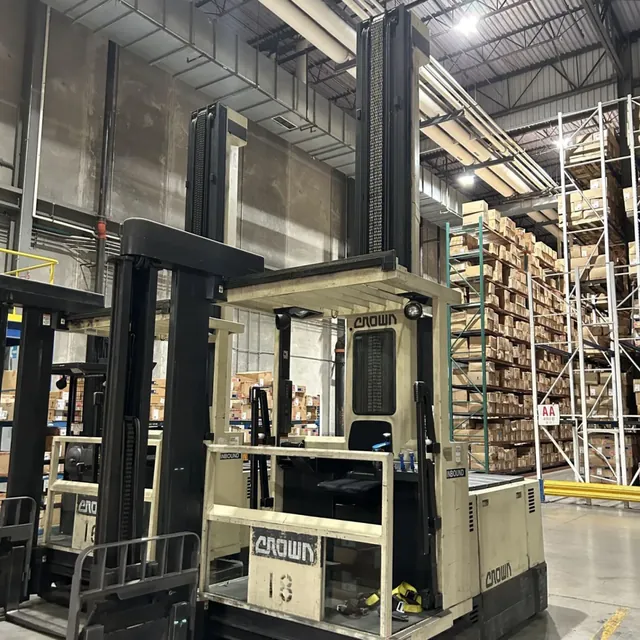
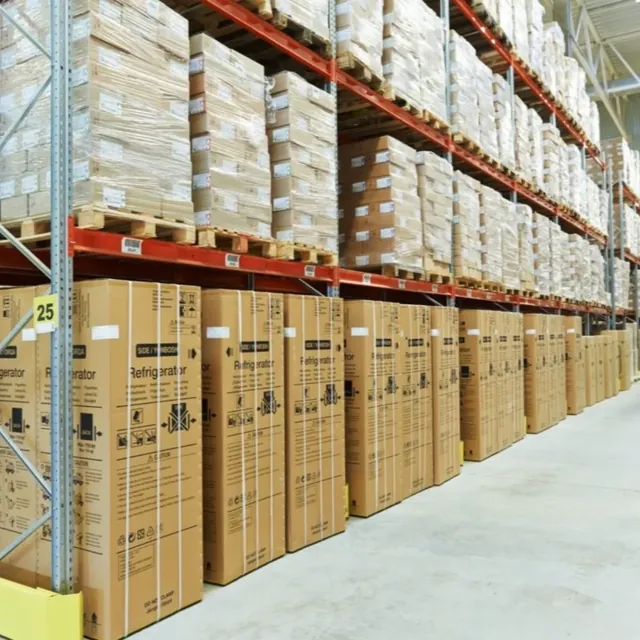
Read the article →A distribution center is more than forklifts and racking. Dock equipment, automation, conveyors and refrigeration are valued as a working system, and the report says which pieces sell on their own.
Read the article →The equipment fleet is usually the largest single line item, and it is the one buyers, lenders and courts test first because it can be verified machine by machine.
Read the article →Independent, qualified, and inspected on site. Then the part treated as a formality: book value carries the equipment at up to 50 percent, an orderly liquidation appraisal at up to 80 percent, and that gap decides files.
Read the article →Hours against age, configuration, and whether the guidance package actually conveys. Plus the thing that catches people from other asset classes: farm equipment has a season, so the effective date changes the answer.
Read the article →Valued unit by unit, then reconciled as a fleet, because forty machines is not forty separate sales. And the distinction people are really asking about: equipment value is not business value.
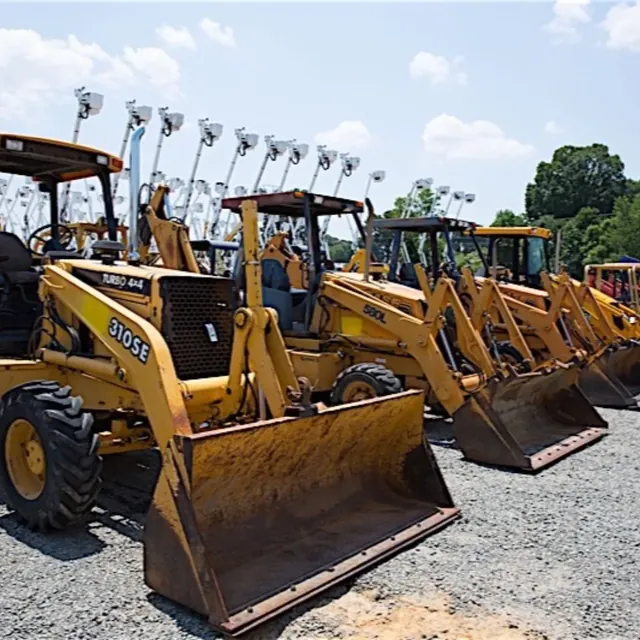
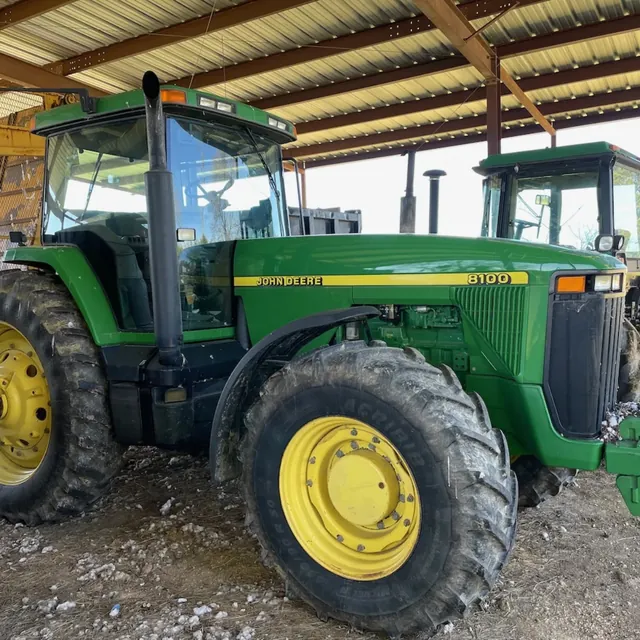
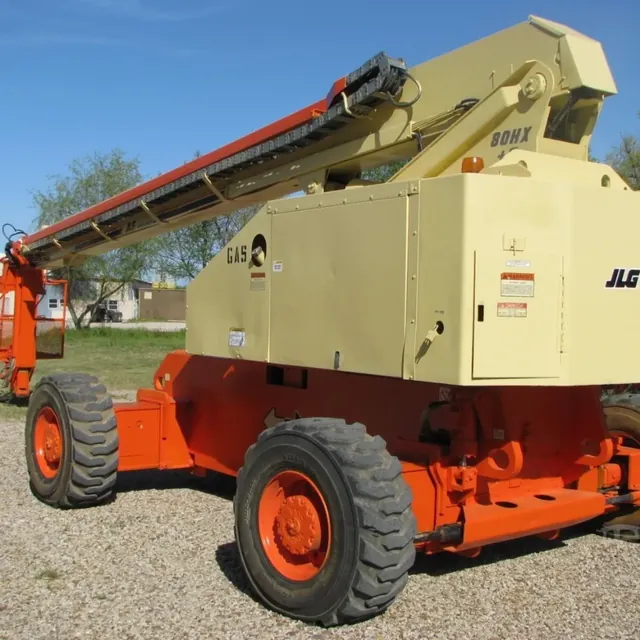
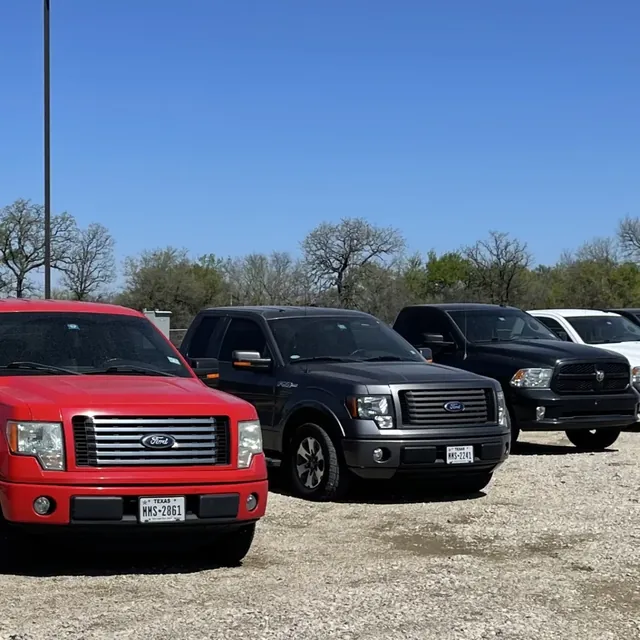
Read the article →Yellow iron is good collateral because the auction record is public, which also means an inflated number is easy to disprove. Choosing the premise, scheduling at the serial level, reconciling the fleet.
Read the article →Four things, and most reports that get sent back fail on one of them rather than on the number: the right premise, a serial-level schedule, a deliberate effective date, and support an examiner can follow.
Read the article →A hospital is several equipment markets sharing one address. How imaging, the surgical suite, sterile processing and the long tail are each valued, and why installed and removed numbers diverge.
Read the article →OLV minus the costs of selling, and the number asset-based borrowing bases actually run on. What comes out between the gross figure and the net one, and why the deductions matter.
Read the article →The standard that governs appraisal review, where the subject is another appraiser's work rather than the equipment. Why a review is not automatically a second appraisal.
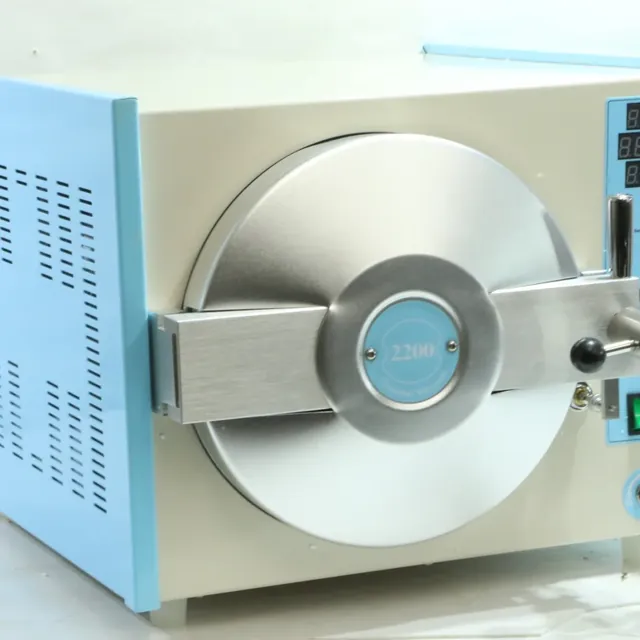
Read the article →A sterile processing department is two kinds of asset in one room. Tabletop autoclaves hold their value anywhere, bulk sterilizers and the water plant behind them do not travel.
Read the article →Bedside monitors trade on a deep secondary market by model and module set. A central station pulled off the network it was licensed to is worth almost nothing.
Read the article →A clinic is three markets under one roof. The machines travel and hold their value, the water treatment plant mostly does not, and the treatment floor follows station count.
Read the article →Eye care equipment is valued by category, technology generation and what conveys with the device. From exam lanes to OCT and surgical lasers, here is what moves the number.
Read the article →An asking price is what a seller hopes to get. A certified appraisal is an independent opinion of value for the specific equipment. Why they differ and which one counts.
Read the article →No. Compliance attaches to the appraiser who certifies the opinion, not to software. What to check before you rely on any report.
Read the article →It can write something that looks like one. What AI does well, where it quietly fails, and the one question that settles it.
Read the article →SOP 50 10 8 asks lenders to document collateral shortfalls, not lean on cash flow, just as tariffs and a softer used market reprice the machinery in the file.
Read the article →Our analysis of public used-equipment market data: how much value each asset class retains, and the four forces that decide it.
Read the analysis →One machine can carry several correct values at once. Here is what each premise means and the situation it answers.
Read the article →What drives the value of imaging assets, from modality and age to software entitlements and the refurbishment market.
Read the article →Lifts, alignment racks, ADAS calibration, paint booths and parts: what moves the number on a dealership's shop equipment, and how the premise follows the situation.
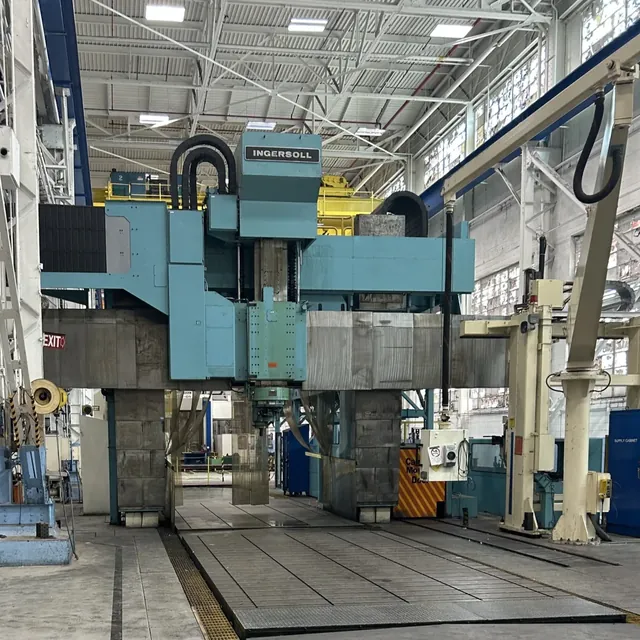
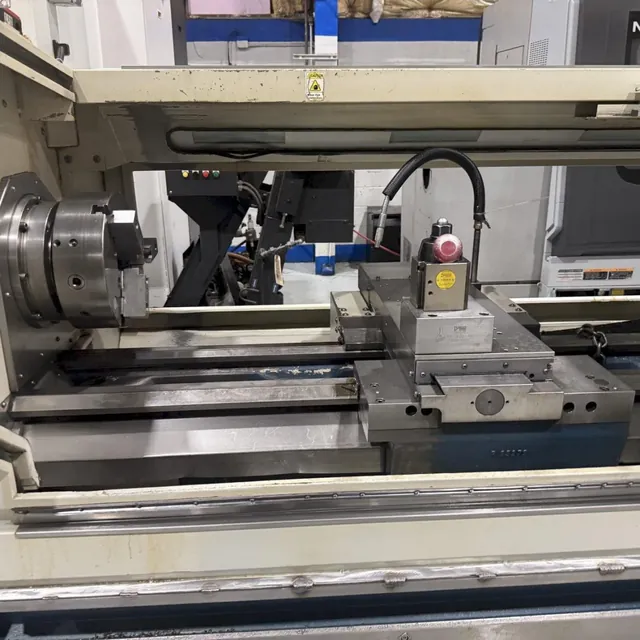
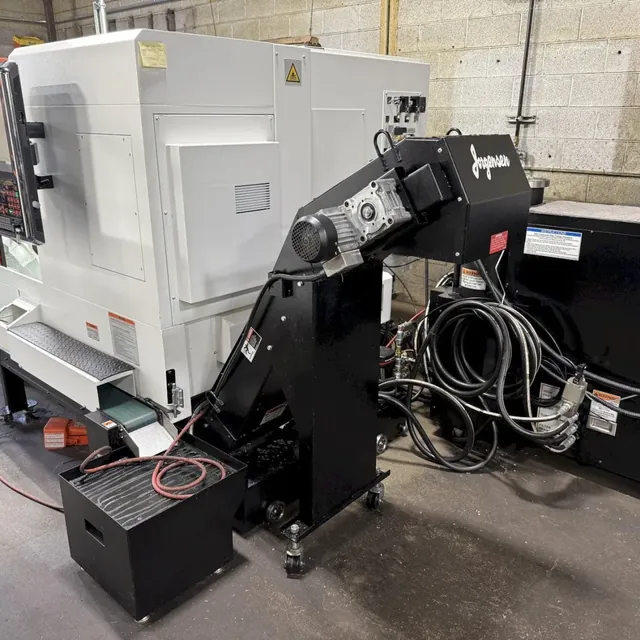
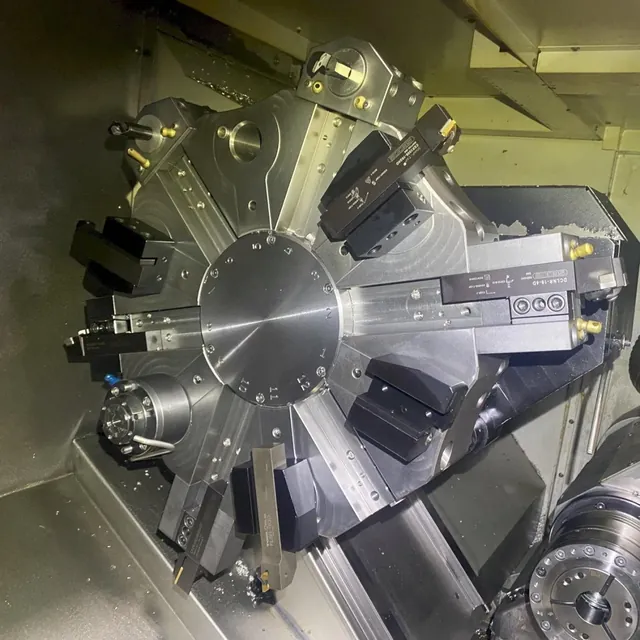
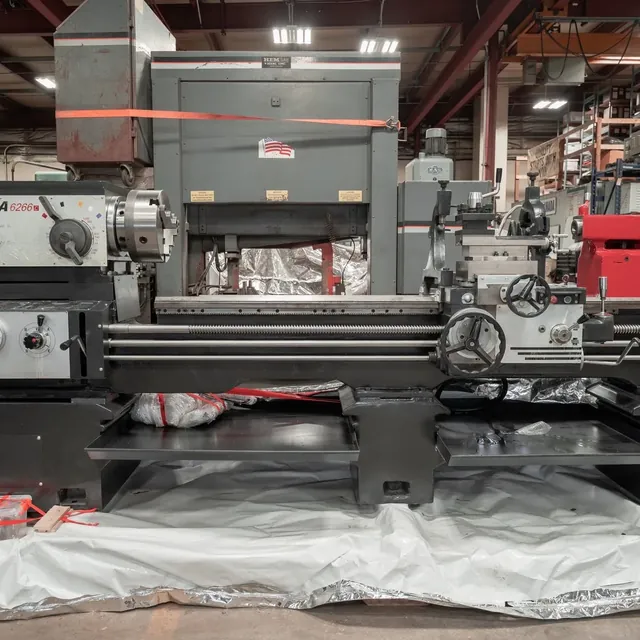
Read the article →Make, model, hours, controls and the active resale market: what moves the number on machine-shop assets.
Read the article →When the SBA SOP calls for an independent appraisal on 7(a) and 504 loans, who can perform it, and what lenders expect.
Read the article →One is independent and built to hold up; the other is a market estimate from someone with a stake in the sale. When each one fits.
Read the article →Replacement cost new, less physical, functional and economic depreciation: how the cost approach works and when it leads.
Read the article →When a 504 refinance pledges equipment as collateral, what premise applies, who can perform it, and what the lender and CDC expect.
Read the article →Banks usually want a liquidation premise, not retail. How FMV and OLV differ, and which one a lending or SBA file calls for.
Read the article →Both can be USPAP-compliant. When a physical inspection is worth it, and when a desktop appraisal from your records will do.
Read the article →An independent USPAP appraisal as of a specific date, usually at fair market value, built to hold up for both parties and the court.
Read the article →Independence, USPAP, a relevant CMEA credential, real inspection, and the right specialty for your assets. Plus the red flags to avoid.
Read the article →How old an asset behaves, not the year it was built, drives depreciation. What effective age and remaining useful life mean for value.
Read the article →An independent USPAP appraisal as of the date of death, built to hold up for the executor, the IRS and the court.
Read the article →Replacement cost, scheduled item by item, so coverage matches your exposure and a claim settles without a dispute.
Read the article →Operatories, CBCT, scanners, CAD/CAM and sterilization: what drives the value, and how the premise follows the purpose.
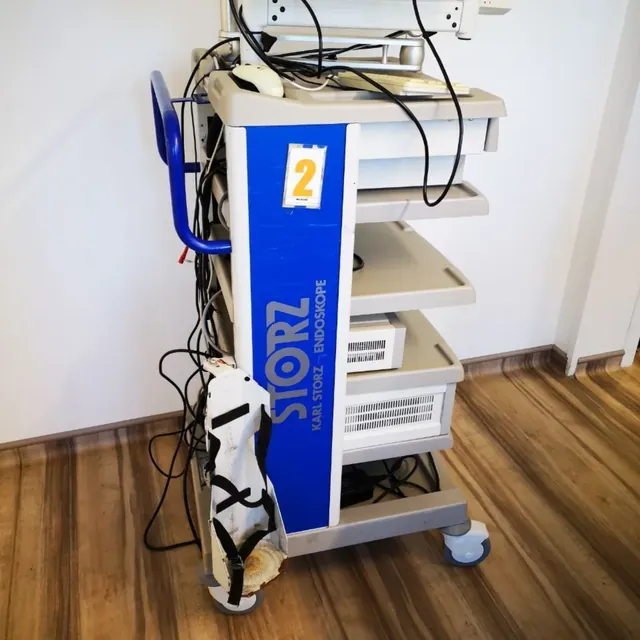
Read the article →Tables, energy units, booms, endoscopy and surgical robots: generation and service status drive value more than condition.
Read the article →The first question is what the lab actually owns: many analyzers are placed under reagent-rental and are not its assets.
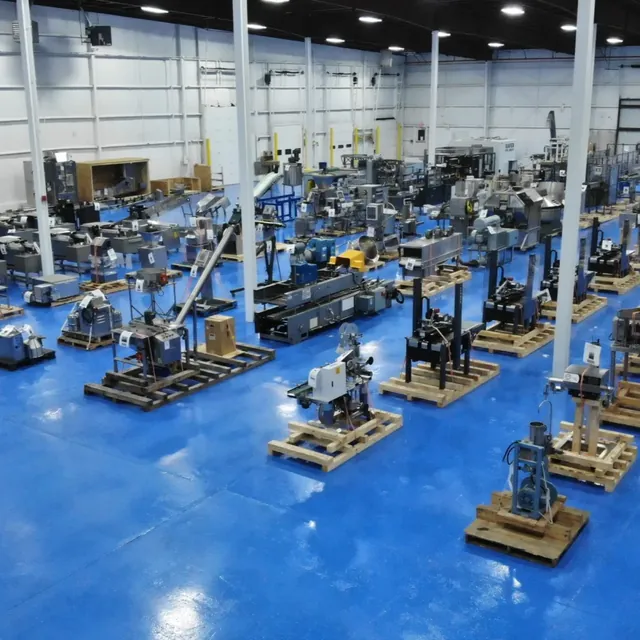
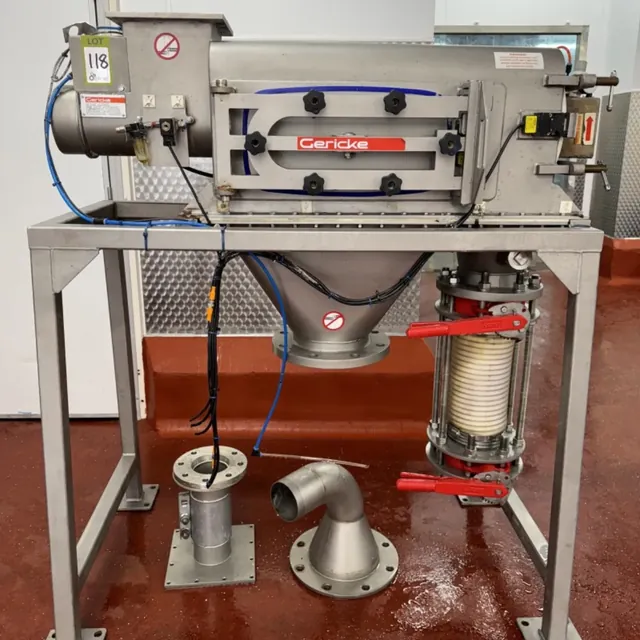
Read the article →Sanitary stainless construction holds value, and an integrated line is worth less at liquidation than it is in place. Why.
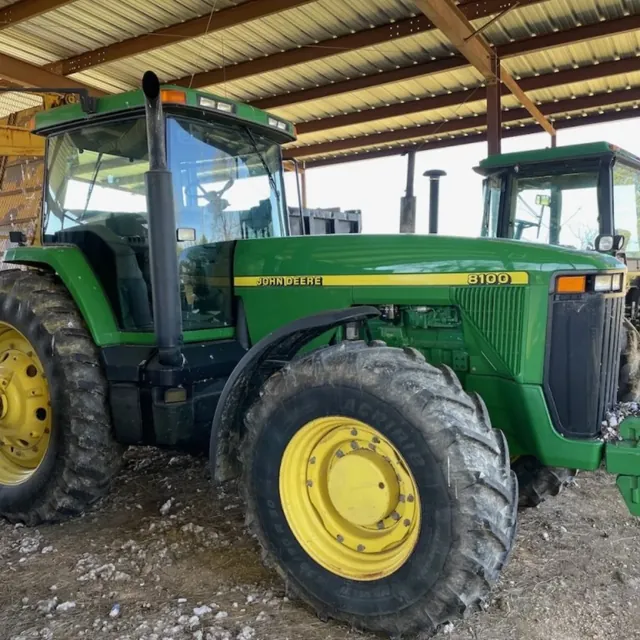
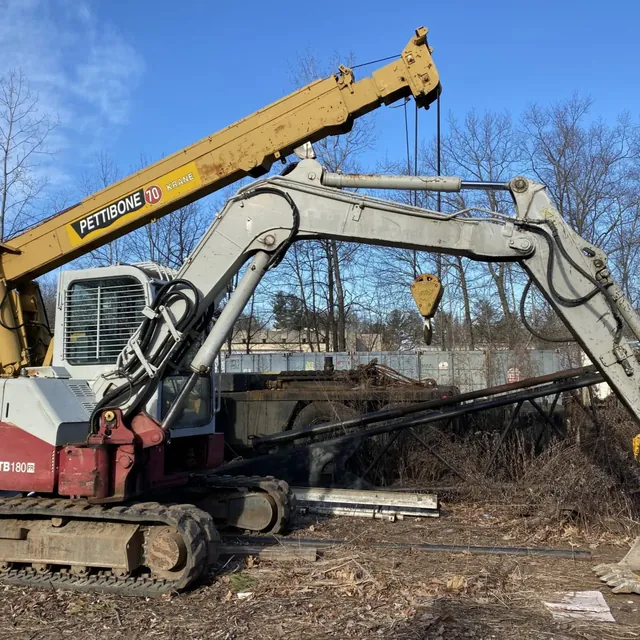
Read the article →A deep auction market makes comps strong. Hours, undercarriage, attachments and emissions tier move the number.
Read the article →Booths and frame machines anchor the value, and OEM certification increasingly decides what equipment a shop must run.
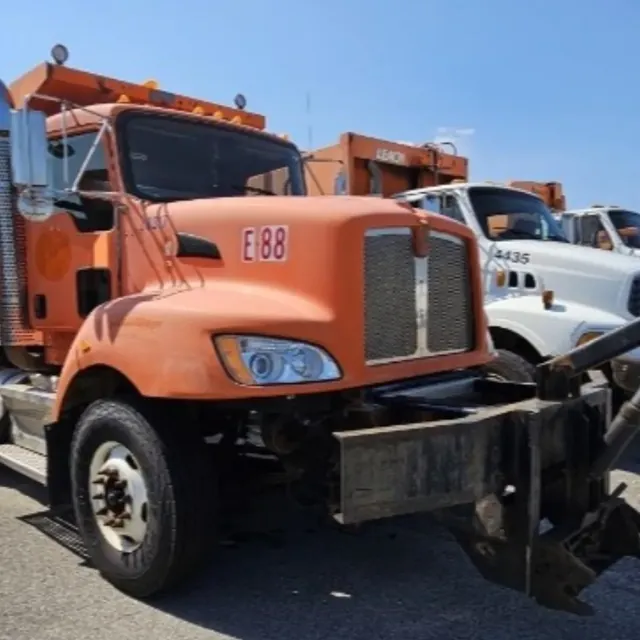
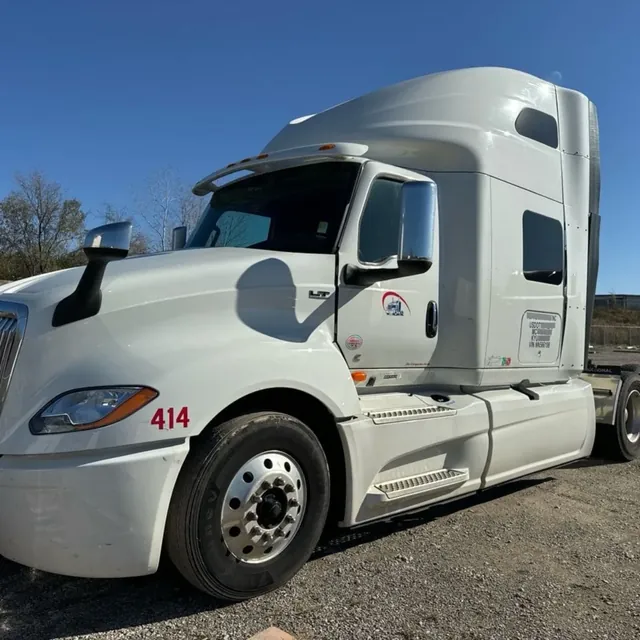
Read the article →Confirm what is owned vs leased first, then value trucks and trailers on mileage, spec and a deep auction market.
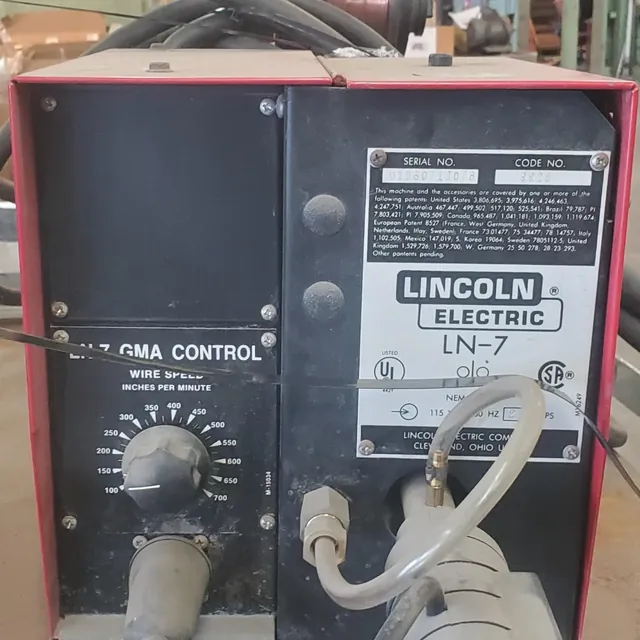
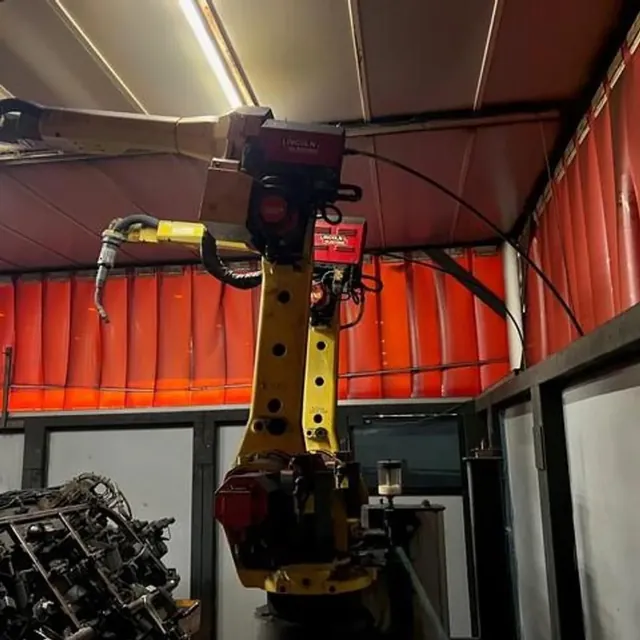
Read the article →Press brakes, shears, lasers and welders: capacity and control generation lead, and fiber lasers have displaced CO2 in cutting.
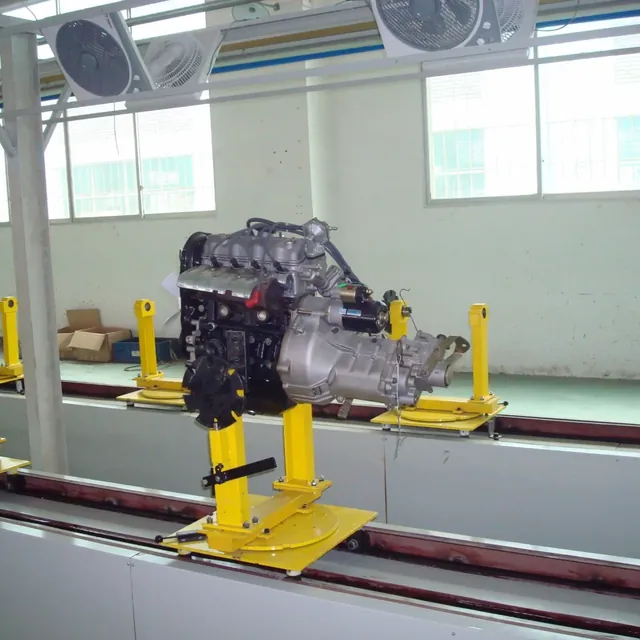
Read the article →Injection molding by clamp tonnage and controls, plus extrusion and auxiliaries. Why molds are usually appraised separately.
Read the article →Forklifts, racking and conveyors. Confirm owned vs leased first, and remember racking value is mostly the cost to remove it.
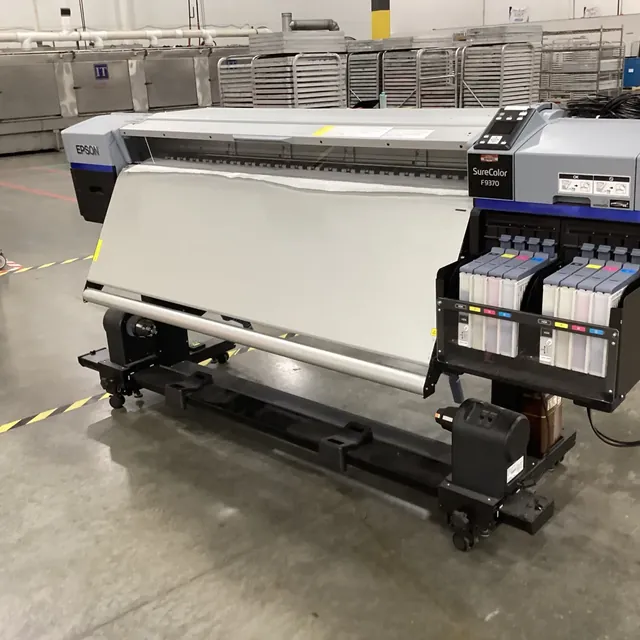
Read the article →The offset-to-digital shift drives value, and many digital presses are click-charge or leased, not owned. What that means for the number.
Read the article →Tell us the situation and the assets. We will scope it, and we never quote a value before inspection.
Request an appraisal →