
Liquidation appraisals: orderly and forced value.
A liquidation appraisal from Lukes & Lukes is an independent, USPAP-compliant opinion of what equipment will bring when it has to be sold: Orderly Liquidation Value (OLV) for an advertised sale, Forced Liquidation Value (FLV) for an auction. Built to withstand lender, trustee, IRS, audit and legal review.
At a glance
- What it is
- An independent, USPAP-compliant opinion of what equipment will bring when it has to be sold.
- Values reported
- Orderly Liquidation Value for an advertised sale, Forced Liquidation Value for a compressed sale or auction, and Net Orderly Liquidation Value after removal, transport, storage and commissions.
- Who orders it
- Secured lenders and workout teams, bankruptcy trustees and restructuring advisors, and owners winding a business down.
- When it is ordered
- A workout or restructuring, a borrower default or surrender, a bankruptcy filing, and the disposition and sale.
- What moves the value
- Marketing window, removal and transport cost, market depth, asset mobility and condition documentation.
- What the report gives you
- A written narrative of scope and methodology, an itemized appendix valuing each asset, and photographs from the inspection, with senior review before it leaves. One file carries from a workout into a bankruptcy filing.
Which value applies
When is orderly liquidation value the right premise?
Orderly Liquidation Value (OLV) is the right premise when the seller has a reasonable marketing period to advertise the equipment and sell it to the best buyers over a defined window. Forced Liquidation Value fits a compressed sale, and Fair Market Value fits a going concern that keeps using the assets. The premise follows the sale conditions and the marketing window available. In bankruptcy the Code sets the test: value is determined in light of the purpose of the valuation and the proposed disposition or use of the property (11 U.S.C. § 506(a)).
Forced Liquidation Value (FLV) assumes a compressed sale, often a public auction with limited opportunity to reach the right buyer, so it sits below OLV. Net Orderly Liquidation Value (NOLV) takes OLV and subtracts the costs of getting there: removal, transport, storage, commissions and fees.
We do not quote a value before inspection. A certified appraiser examines the assets, then applies the cost, market and income approaches against current resale and auction data to support each figure.
- Orderly Liquidation Value (OLV): the expected return from a private, advertised sale over a reasonable marketing period
- Forced Liquidation Value (FLV): the expected return from a compressed sale, typically auction, with limited opportunity to reach buyers
- Net Orderly Liquidation Value (NOLV): OLV less the costs of disposition, such as removal, transport, storage and commissions
- Auction context: values benchmarked against comparable auction results and current dealer and resale markets, not a generic database
- Itemized support: each asset valued on its own line, so a lender, trustee or court can trace every value
OLV vs FLV
Why is forced liquidation value lower than orderly liquidation value?
Forced liquidation value comes in below orderly liquidation value on the same assets, on the same day, and five forces set the size of the gap: the marketing window, removal and transport cost, market depth, asset mobility and condition documentation. On the same assets, orderly liquidation value can be 20 to 40 percent higher than forced liquidation value. A lender sizes the downside from these forces, and a trustee sets expectations for a disposition plan from them.
The first force is the marketing window. An orderly sale gives the seller time to advertise, negotiate and reach the right buyers. A forced sale compresses that window to days or weeks, which shrinks the buyer pool and favors the opportunistic bidder. The second is removal and transport cost.
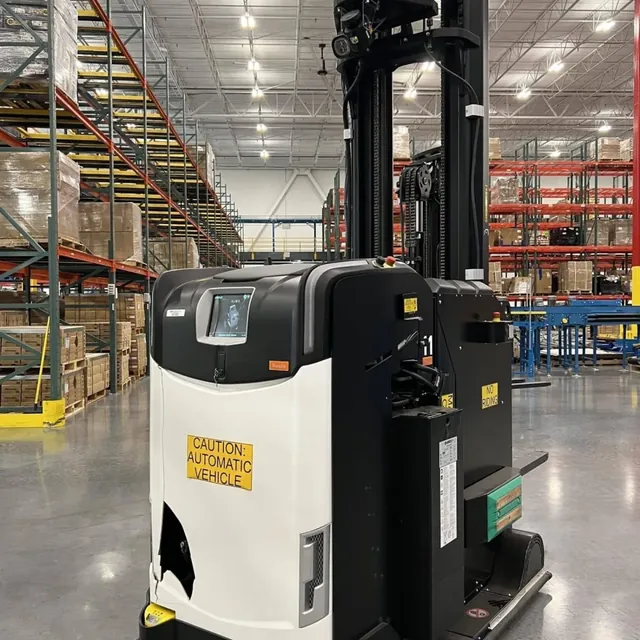
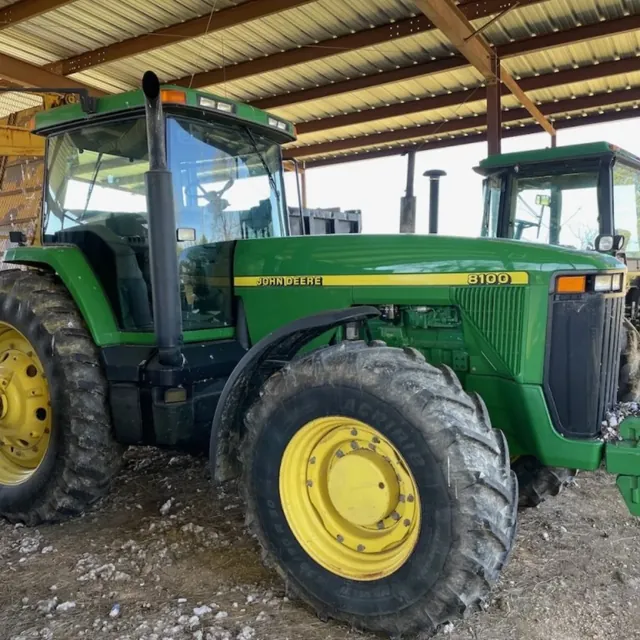
Heavy, installed equipment (ammonia systems, press lines, continuous processing) is expensive to de-install and ship, which forces FLV further below OLV because the buyer prices that cost into the bid. The third is market depth: assets that trade in a deep used market (forklifts, standard CNC lathes, common construction iron) hold value better under pressure than specialized, single-application machines with few secondary buyers.
- Marketing window. OLV assumes the seller advertises and negotiates over a reasonable period. FLV assumes the sale happens under compression, often at auction. The lost time is recovered in price.
- Removal and transport cost. Installed, heavy or integrated equipment is expensive to de-install. The buyer prices that into the bid, widening the spread.
- Market depth. Assets with a deep used market and many potential buyers lose less value under forced conditions than specialized, thin-market equipment.
- Asset mobility. Equipment that is self-contained and easy to relocate (trucks, forklifts, portable generators) keeps more of its value than equipment that requires rigging, foundations or reconnection.
- Condition documentation. Assets with verifiable hours, maintenance records and service history support a better value under either premise, because they reduce the buyer's risk.
How it works
When does a lender order a distressed equipment appraisal?
A lender, trustee or owner orders a liquidation appraisal at one of four points: a workout or restructuring, a default or surrender, a bankruptcy filing, and the sale itself. The timing shapes the premise.
The appraisal is collateral-first. It rests on an inspection, the asset list and the resale market for each class, not on the borrower's financial statements. A workout file with stale or missing borrower financials can still carry a current liquidation value.
- Workout or restructuring. The lender identifies a troubled credit and needs to size recovery before deciding whether to restructure, extend or exit. An OLV or NOLV appraisal at this stage gives the workout team a defensible floor: what the collateral would return if the borrower fails. It is the basis for a write-down, a reserve adjustment, or a negotiating position.
- Borrower default or voluntary surrender. The borrower cannot cure the default, or agrees to surrender the collateral. The appraisal now becomes a planning document: the lender or receiver uses OLV and FLV to decide between a private sale and an auction, and to set pricing expectations for either.
- Bankruptcy filing. A trustee or debtor-in-possession needs the value of the estate's equipment to support a plan of reorganization or a liquidation plan filed with the court. The appraisal must be independent, defensible and prepared by a qualified appraiser, because it will face judicial scrutiny and creditor challenge.
- Disposition and sale. The assets go to market. The appraisal serves as the benchmark: it tells the auctioneer, the broker or the private buyer what the equipment should bring, and it gives the party with fiduciary responsibility a documented basis for accepting or rejecting offers.
At every stage, the file needs to hold up under review. We build it that way from the start, so a report delivered for a workout can travel into a bankruptcy filing or a trustee disposition without being redone. The premises may shift (OLV at workout, FLV at auction), but the underlying inspection, asset identification and market research carry forward.
Grocery and retail
How is grocery and retail store equipment valued for collateral recovery?
Grocery and retail store equipment is valued class by class under an orderly or forced liquidation premise, with removal cost deducted line by line where the file calls for a net value. Each class sells to a different buyer, and recovery on a store turns on the mix.
- Refrigerated and frozen cases, walk-ins and racks. The cases, the compressor rack and the remote condensing units are separate lines. A self-contained case leaves on a pallet jack. A case on a remote rack needs a refrigeration contractor to recover the refrigerant and cut and cap the lines before it moves. EPA bars installing a supermarket refrigeration system that uses a refrigerant with a global warming potential of 1,400 or greater from January 1, 2027 (40 CFR 84.54). The report records the refrigerant on each rack.
- Gondola shelving and pallet racking. Shelving is counted by the run and racking by the upright and beam. Both trade in a deep used market, and tear-down labor comes off the value.
- Checkouts and point of sale. Checkstands have a thin resale market. Terminals, scanners and scales lose value quickly, and the software licenses usually stay with the licensor.
- Back room and prep. Meat room saws and grinders, slicers, bakery ovens and stainless prep tables sell into the food service market, the same buyer pool as food processing equipment.
- What is not collateral. Leased POS, distributor-owned beverage coolers and landlord-owned fixtures belong to someone else. Walk-in boxes and built-in refrigeration piping may be fixtures under the lease. The report states which side of each line an item sits on.
What we value
What equipment is appraised in a workout or wind-down?
Liquidation and workout engagements span every asset class. We appraise the same equipment under liquidation premises that we value for lending and collateral, so the file reconciles from the loan that funded the assets to the disposition that recovers them.
Related work
What other appraisals does a wind-down need?
A wind-down often begins as a credit problem and ends in court. We carry the same itemized file across each situation, so the values reconcile from the loan that funded the assets to the disposition that recovers them.
Who orders it
Who orders a liquidation appraisal?
Secured lenders and workout teams order a liquidation appraisal to size recovery on a troubled credit and to set a position before a borrower fails. Bankruptcy trustees and restructuring advisors order one to value the estate and support a disposition plan. Owners winding a business down order one to understand what the equipment will bring before they commit to a sale or auction. Each of them needs a value that holds up when someone challenges it.
What you get
What does a liquidation appraisal report include?
You receive a complete report, not a printout: a written narrative of scope and methodology, an itemized appendix valuing each asset, and photographs from inspection. It is independent and certified, with senior review before it leaves. The premise changes with the sale conditions. The method behind it does not.
- Cost, market and income approaches applied by a certified appraiser, not a database
- OLV, FLV and NOLV stated and reconciled where the situation calls for more than one premise
- Itemized appendix, narrative and photographs in every report
- Lender-fluent: we write for the credit desk, so our report reads the way a lender needs it to

Video · 51 seconds · with transcript
Installed value vs auction value
The same machine is worth one number wired, plumbed and proven in place, and another number sold to whoever hauls it away. What creates the gap between installed value and auction value.
Common questions
Answers, up front.
What is the difference between forced and orderly liquidation value?
The difference is the marketing window the seller has. Orderly Liquidation Value (OLV) assumes a reasonable marketing period, with the equipment advertised and sold to the best available buyers over a defined window. Forced Liquidation Value (FLV) assumes a compressed sale, often a public auction, with limited opportunity to reach the right buyer. Because FLV gives up the marketing period, it almost always comes in below OLV for the same assets.
Do you state OLV and NOLV in the same liquidation appraisal?
Usually yes. Most liquidation files call for the gross figure and the net figure together, because the workout team needs to see what the sale brings and what is left after the cost of running it. Each premise is named, defined and carried with its own assumptions, and FLV is added where a compressed timeline is genuinely on the table. For what the net figure means and how it is built, see our explainer on Net Orderly Liquidation Value.
When do you need a liquidation appraisal?
You need one when assets may be sold under pressure rather than held. That includes a secured lender sizing recovery on a troubled credit, a workout or restructuring, a bankruptcy filing or trustee disposition, and an owner deciding whether to sell or auction a business. The premise we apply, OLV, FLV or NOLV, depends on the sale conditions and the marketing window available.
How is auction value handled in a liquidation appraisal?
Auction value is treated as a forced sale. A certified appraiser benchmarks the assets against comparable auction results and current dealer and resale markets, then states the figure as Forced Liquidation Value. We do not quote a value before inspection, and we do not let a database stand in for appraiser judgment.
Can you support an appraisal that has to satisfy a lender or a court filing?
Yes. Tell us who will read the file and what it has to support, and we scope the engagement and inspection accordingly. Reports are USPAP-compliant, prepared by a NEBB-certified Machinery & Equipment Appraiser (CMEA), and built to withstand lender, trustee, IRS, audit and legal review.
What costs are subtracted in NOLV?
Net Orderly Liquidation Value subtracts the costs required to convert the equipment to cash. That typically includes removal and rigging, transport, storage if the assets need to be held before sale, sale commissions, advertising and related fees. The deductions are itemized in the report so the reader can see what was subtracted and why. For a deeper look, see our full explainer on NOLV.
Can a liquidation appraisal be used in bankruptcy court?
Yes. A USPAP-compliant liquidation appraisal prepared by an independent, certified appraiser is the standard for valuing estate equipment in a bankruptcy proceeding. It supports a liquidation plan filed with the court, a trustee's disposition decisions, and creditor recovery estimates. We build every file to withstand judicial scrutiny and creditor challenge.
What is the difference between a liquidation appraisal and a broker opinion of value?
A broker opinion of value is a market participant's estimate of what they think the equipment would sell for, typically from an auction house or dealer. A liquidation appraisal is a formal, USPAP-compliant opinion of value prepared by an independent, certified appraiser with no interest in the sale. The appraisal documents its methodology, states its assumptions, and is defensible under review. A broker opinion is useful market intelligence, but it is not an appraisal and most lenders, courts and fiduciaries require the latter. See appraisal vs broker opinion of value.
Do you appraise multi-location liquidations?
Yes. We appraise equipment across multiple locations nationwide and carry the same itemized file, methodology and premise across all sites, so the values reconcile in a single report. Multi-site assignments are common in workouts, fleet dispositions and chain wind-downs.
The equipment is already repossessed and sitting in a yard. Is it too late to appraise it?
No. Assets in a yard, a warehouse or a third-party storage lot are appraised where they stand, and the condition they are in is part of the value. Removal has usually already cost the collateral something: machines come out without their rigging records, control cabinets and tooling get separated from the machine they belong to, and a matched line arrives as loose pieces. That is recorded rather than assumed away, because a liquidation value has to reflect what a buyer will actually find.
Need this for a lender or a filing?