
SBA equipment appraisals for 7(a) and 504 loans.
An SBA equipment appraisal from Lukes & Lukes is an independent, USPAP-compliant opinion of value prepared to the SBA's Standard Operating Procedure (SOP), so the file moves through underwriting and SBA review without a callback. Lenders order it to clear the collateral condition. Borrowers order it when their bank asks.
At a glance
- What it is
- An independent, USPAP-compliant equipment appraisal for SBA 7(a) and 504 loans, prepared to the SBA Standard Operating Procedure (SOP).
- Values reported
- Orderly Liquidation Value for the 7(a) collateral calculation, Fair Market Value for purchase price and 504 project support, and Net Orderly Liquidation Value when the credit policy asks for it.
- Who orders it
- SBA lenders and business development officers, loan packagers and brokers, Certified Development Companies on the 504 side, and borrowers when their lender asks.
- Independence
- SOP 50 10 8.1 calls for an appraiser independent of the transaction, of loan production and of the approval. A broker opinion, dealer quote or seller estimate does not satisfy it.
- Premise
- The lender sets the premise and we confirm it in writing before inspection. No value is quoted before we have seen the equipment.
- What the report gives you
- A narrative of scope and methodology, an itemized appendix with make, model, serial number, condition and value for each unit, and inspection photographs, with senior review.
The process
How an equipment appraisal works on an SBA loan
On an SBA loan the lender orders the equipment appraisal from an independent appraiser, and the appraised value sets how much the used equipment counts as collateral under the SBA's Standard Operating Procedure, SOP 50 10 8.1 (effective October 1, 2026).
- The lender orders it. The SBA lender, or the Certified Development Company (CDC) on a 504 loan, engages the appraiser and is named as client or intended user. A borrower who orders one does so at the lender's request.
- The SOP decides whether it is required. On a 7(a) loan, used machinery and equipment counts toward "fully secured" at no more than 50% of Net Book Value, or 80% of an Orderly Liquidation Appraisal, minus prior liens. Any value above Net Book Value needs an independent appraisal to support it. On a 504 loan, the SOP requires an equipment appraisal when used equipment in the project is bought from someone other than a dealer or is being refinanced.
- The appraiser has to qualify. The SOP calls for a qualified appraiser who is independent of the transaction, independent of loan production, not involved in approving the loan, and free of any actual or apparent conflict. A fixed asset figure inside a business valuation does not satisfy the requirement unless it is part of a going concern appraisal.
- The lender sets the premise. On a 7(a) collateral calculation that is Orderly Liquidation Value. Fair Market Value is added when the file also needs a market figure. We confirm the premise in writing before inspection.
- The equipment is inspected and the report is dated. The 504 rule requires an on-site inspection and a report dated no more than twelve months before the application. The report carries the premise and its definition, the effective date, the inspection date, and an itemized appendix with make, model, serial number, condition and value for each unit.
- A value under the request changes the structure, not the appraisal. The lender reduces the loan, adds collateral or asks for more equity. On a 7(a) loan that is not fully secured, the SOP requires the lender to take available equity in the owners' personal real estate. The SOP also states that a loan request must not be declined solely because collateral is inadequate.
For the lending side of the same file, see collateral equipment appraisals.
Which value applies
Which value does an SBA equipment appraisal use?
The lender chooses the premise, and on SBA files it is usually Orderly Liquidation Value, Fair Market Value, or both. The 7(a) collateral calculation in SOP 50 10 8.1 credits used equipment at up to 80% of an Orderly Liquidation Appraisal. Orderly Liquidation Value (OLV) is the price the assets would bring in an advertised sale over a reasonable period.
Fair Market Value (FMV) is the price equipment would bring between a willing buyer and a willing seller, neither under pressure, both informed. It is the premise for a going concern that keeps using its assets, and it supports a purchase price or a 504 project cost. Net Orderly Liquidation Value (NOLV) is OLV after the costs of selling, reported when the credit policy asks for it.
We confirm the premise with the lender in writing before inspection and report what the credit calls for. No value is quoted before we have seen the equipment.
- OLV: the advertised-sale value behind the 7(a) "fully secured" calculation.
- FMV: the going-concern value for purchase price support and 504 project costs.
- NOLV: OLV net of the cost to sell, where the credit policy requires it.
- SOP-aligned: the assignment is scoped to the appraisal the SBA SOP expects.
- Lender-fluent: we write for the credit desk, so our report reads the way a lender needs it to.
When an appraisal is required
When does the SBA require an equipment appraisal?
The SBA requires an independent equipment appraisal when a lender values fixed assets above their Net Book Value, and on a 504 loan when used equipment in the project is bought from someone other than a dealer or is being refinanced. Both rules are in SOP 50 10 8.1. A lender can also require one under its own credit policy, including on a change of ownership or a sale between related parties.
The appraiser has to be qualified and independent of the transaction, of loan production and of the approval. A broker opinion, a dealer quote or a seller's estimate does not meet that test. See appraisal vs broker opinion of value. We prepare every SBA equipment appraisal under USPAP.
If the lender's own policy adds a requirement (a template field, a second premise, a re-inspection interval), we scope it at intake. For the full breakdown, see does the SBA require an equipment appraisal.
Avoiding delays
What holds up an SBA closing on the equipment appraisal?
Five problems cause most SBA appraisal callbacks, and each is settled at intake.
- Wrong premise: the appraisal reports FMV when the credit needed OLV or NOLV, or vice versa. The lender sets the premise; we confirm it in writing before inspection starts.
- Lump-sum value on a multi-asset file: a single figure for "all equipment" cannot be tied to a security agreement or traced by a reviewer. Every unit is itemized with make, model, serial number, condition and an individual value.
- No independence: the value came from a party with a stake in the deal. The SOP requires an appraiser independent of the transaction, of loan production and of the approval, with no actual or apparent conflict.
- Missing or stale inspection: either the assets were not physically inspected, or the inspection date is too old for the closing. We schedule promptly and report the inspection date plainly.
- Related-party gap: when buyer and seller are related, the reviewer asks whether the price reflects an arm's-length sale. We disclose the relationship in the report and document that our conclusion is independent of it.
Change of ownership
How is a related-party SBA equipment appraisal handled?
A change of ownership, a partner buyout, or an asset purchase where the buyer and seller have a personal or business relationship raises the bar on the appraisal. In SOP 50 10 8.1 the close-relationship rules govern the real estate appraisal and, on a change of ownership, the business valuation; for equipment, the lender's credit policy sets the requirement. The appraisal has to show that the value conclusion is independent of the relationship, supported by market evidence, and arrived at the same way it would have been for an unrelated sale.
We handle related-party SBA assignments regularly, across practices, partnerships, family transitions and business acquisitions where the principals know each other. The report names the relationship, states the premise, and documents the evidence so the reviewer can see that the value was not influenced by the parties.
For the broader estate, probate and partnership context, see estate, probate and divorce appraisals. For acquisition and purchase-price work, see mergers and acquisitions.
Related work
Where SBA files connect.
An SBA appraisal rarely stands alone. The same deal may carry a conventional loan, a business purchase, or equipment from one of our specialty lanes. These pages cover the adjacent work.
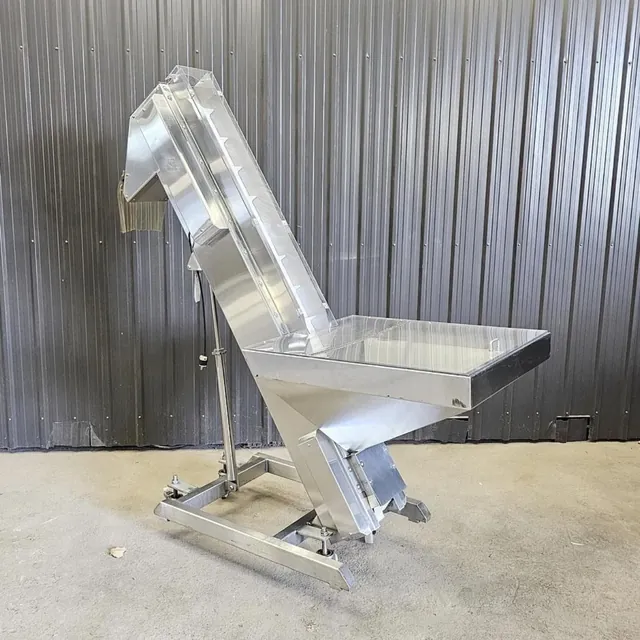
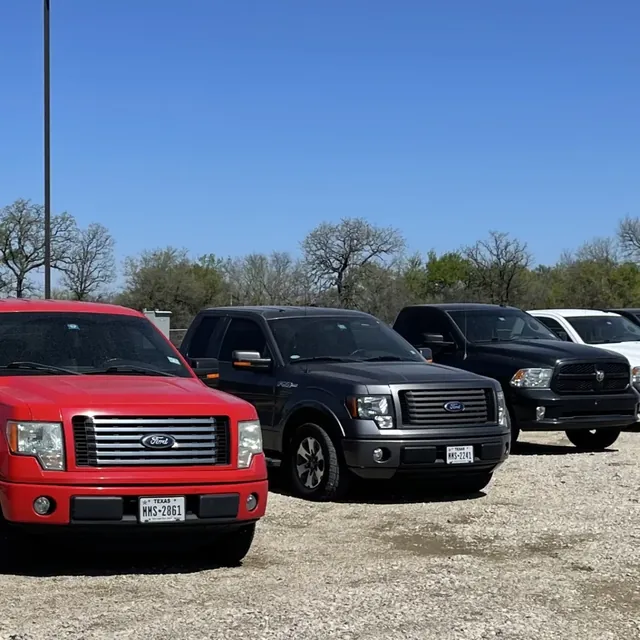
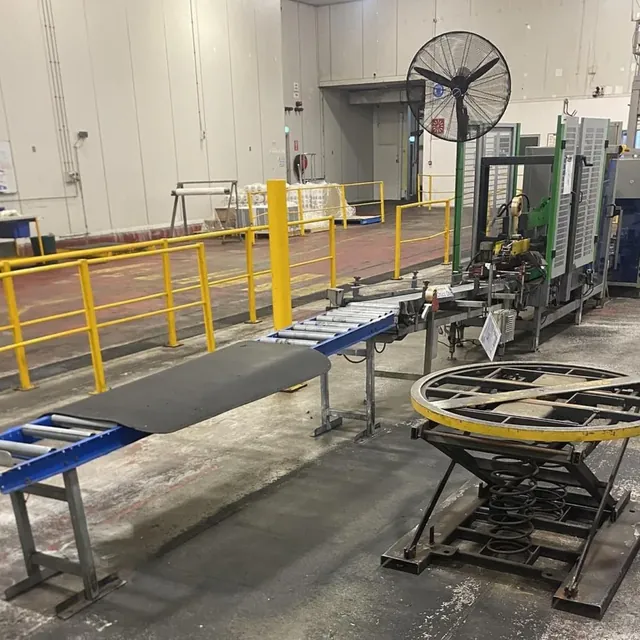
Common SBA borrowers include dental, eye care and dialysis practices, collision shops, tire and wheel service centers and independent repair shops.
Who orders it
Who orders an SBA equipment appraisal?
SBA lenders and business development officers order it to clear the collateral condition on a credit. Loan packagers and brokers order it to keep a file complete before it reaches underwriting. Certified Development Companies order it on the 504 side. And borrowers buying or refinancing equipment order it when their lender asks for an independent value.
What you get
What does an SBA equipment appraisal report include?
You receive a written narrative of scope and methodology, an itemized appendix valuing each asset, and photographs from the inspection. The report is independent and certified, with senior review before it leaves. Cost, market and income approaches are applied by a certified appraiser, not a database. Every SBA report is built against the same SOP checklist. The tenth package assembles like the first.
- Narrative: scope, premise and methodology stated in plain terms.
- Itemized appendix: each asset identified, described and valued.
- Inspection photographs: the assets as they were on the day.
- Defensible: prepared to withstand lender, SBA, IRS, audit and legal review.
Video · 45 seconds · with transcript
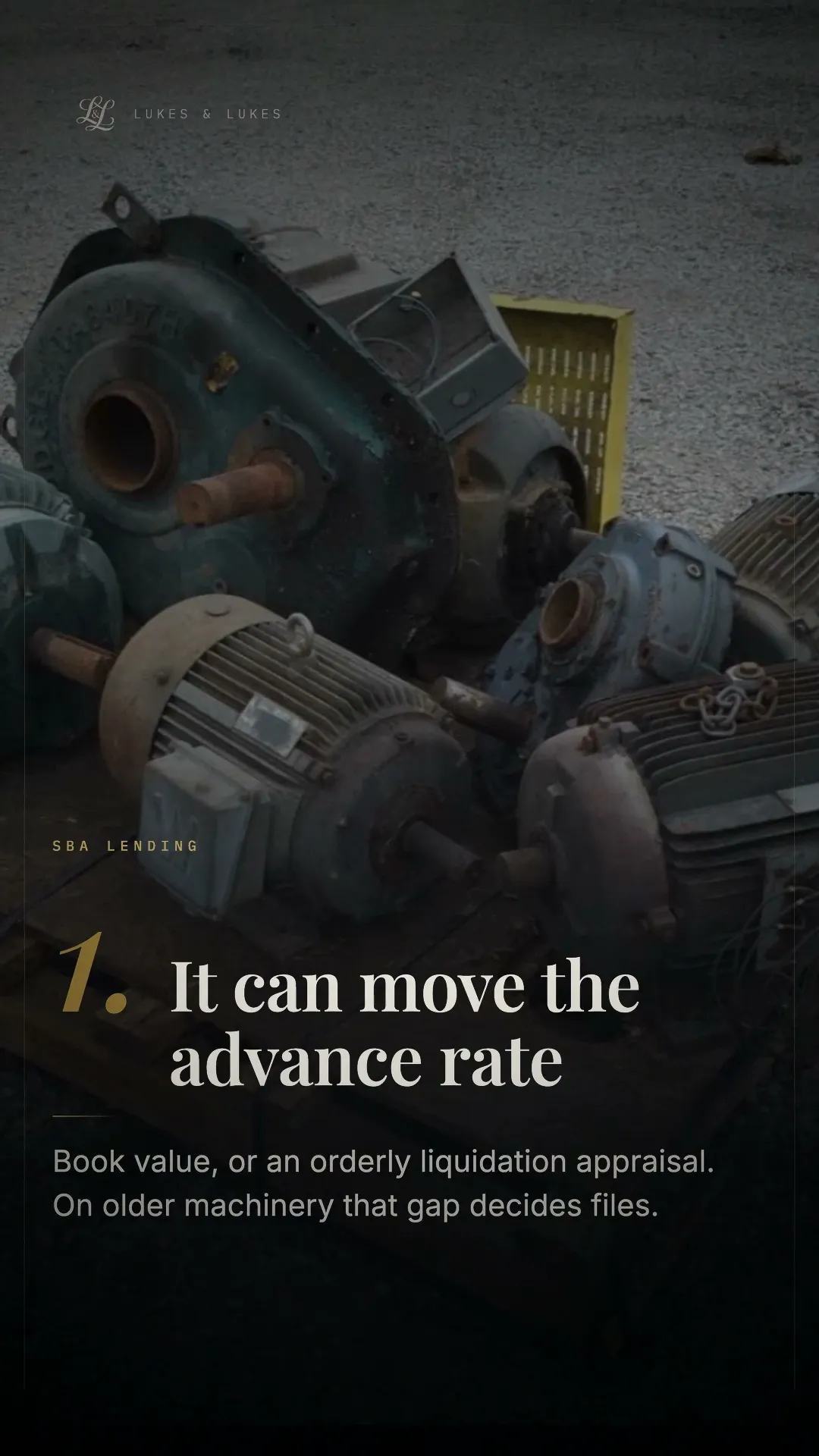
Equipment appraisal on an SBA 7(a) loan: two things that decide the credit
Two things decide whether an equipment appraisal helps an SBA 7(a) credit: the advance rate it can support on used equipment, and a unit-by-unit schedule with serial numbers tied to the collateral.
Common questions
Answers, up front.
Does the SBA require an equipment appraisal?
Often, yes. Under SOP 50 10 8.1, a lender that values fixed assets above their Net Book Value must support that value with an independent appraisal, and a 504 project that includes used equipment bought from someone other than a dealer, or being refinanced, requires an equipment appraisal with an on-site inspection. A lender can also require one under its own credit policy. We scope each assignment to the SOP edition the lender is working to.
Who can perform an SBA equipment appraisal?
A qualified appraiser who is independent of the transaction, independent of loan production, not involved in approving the loan, and free of any actual or apparent conflict, as SOP 50 10 8.1 requires. Our appraisals are prepared by a NEBB-certified Machinery & Equipment Appraiser (CMEA) and follow USPAP. Jared Lukes is CEO and lead appraiser, and every report is written for the credit desk, so it reads the way a lender needs it to.
What is the difference between a 7(a) and a 504 loan?
A 7(a) loan is the SBA's general-purpose program, used for working capital, equipment, inventory and many acquisitions, funded through a participating lender. A 504 loan is a fixed-asset program, used to finance major equipment and real estate, funded jointly by a lender and a Certified Development Company. Both can require an independent equipment appraisal under the SOP. We report the value premise each program and credit calls for.
Will the appraisal satisfy the lender and the SBA?
Yes, that is the standard we build to. The report is independent, USPAP-compliant and scoped to the SBA SOP, with a clear statement of premise, methodology and the approaches applied. It is prepared to withstand lender, SBA, IRS, audit and legal review, and it goes through senior review before it leaves our office. If your lender has a specific SOP requirement or template field, tell us at intake and we scope to it.
Which value premise will my SBA appraisal use?
The lender chooses it. On a 7(a) loan the collateral calculation credits used equipment at up to 80% of an Orderly Liquidation Appraisal, so Orderly Liquidation Value (OLV) is the usual premise. Fair Market Value (FMV) supports a purchase price or a 504 project cost, and Net Orderly Liquidation Value (NOLV) is added when the credit policy asks for it. We confirm the premise with the lender before inspection and never quote a value before we have seen the equipment.
What if the buyer and seller are related?
The close-relationship rules in SOP 50 10 8.1 cover the real estate appraisal and the change-of-ownership business valuation, not equipment. For the equipment, the lender's credit policy decides. We disclose the relationship in the report, support the conclusion with market evidence, and document that our analysis would be the same for an unrelated sale. This is routine on practice transitions, family buyouts and partner acquisitions.
Do I need an appraisal for an SBA 504 refinance?
Yes, when used equipment is part of the refinance. SOP 50 10 8.1 requires an equipment appraisal from a qualified appraiser independent of the transaction who inspects the equipment on site, dated no more than 12 months before the application. An appraisal from origination qualifies only inside that window. We handle 504 refinance assignments regularly. See SBA 504 refinance equipment appraisals.
How quickly can you complete an SBA equipment appraisal?
Turnaround depends on the number of assets, their locations and scheduling. Tell us the closing date at intake and we schedule the inspection and state the timeline before the work starts.