
What is ophthalmology and optometry equipment worth?
Eye care equipment is valued under USPAP by category, age, technology generation, software and license status, and the active resale market for each class: exam lanes, diagnostics like OCT and fundus cameras, surgical systems and lasers, and the optical side of the practice. Diagnostic technology moves value more than cosmetic condition, and what conveys with the device, software, licenses and service history, often decides the number.
Lukes & Lukes is an independent Machinery & Equipment (M&E) appraisal firm; every report is prepared by a NEBB-certified Machinery & Equipment Appraiser (CMEA).
By Jared Lukes · CEO & lead appraiserUpdated
Valuing equipment in a practice or a facility? Request an appraisal →
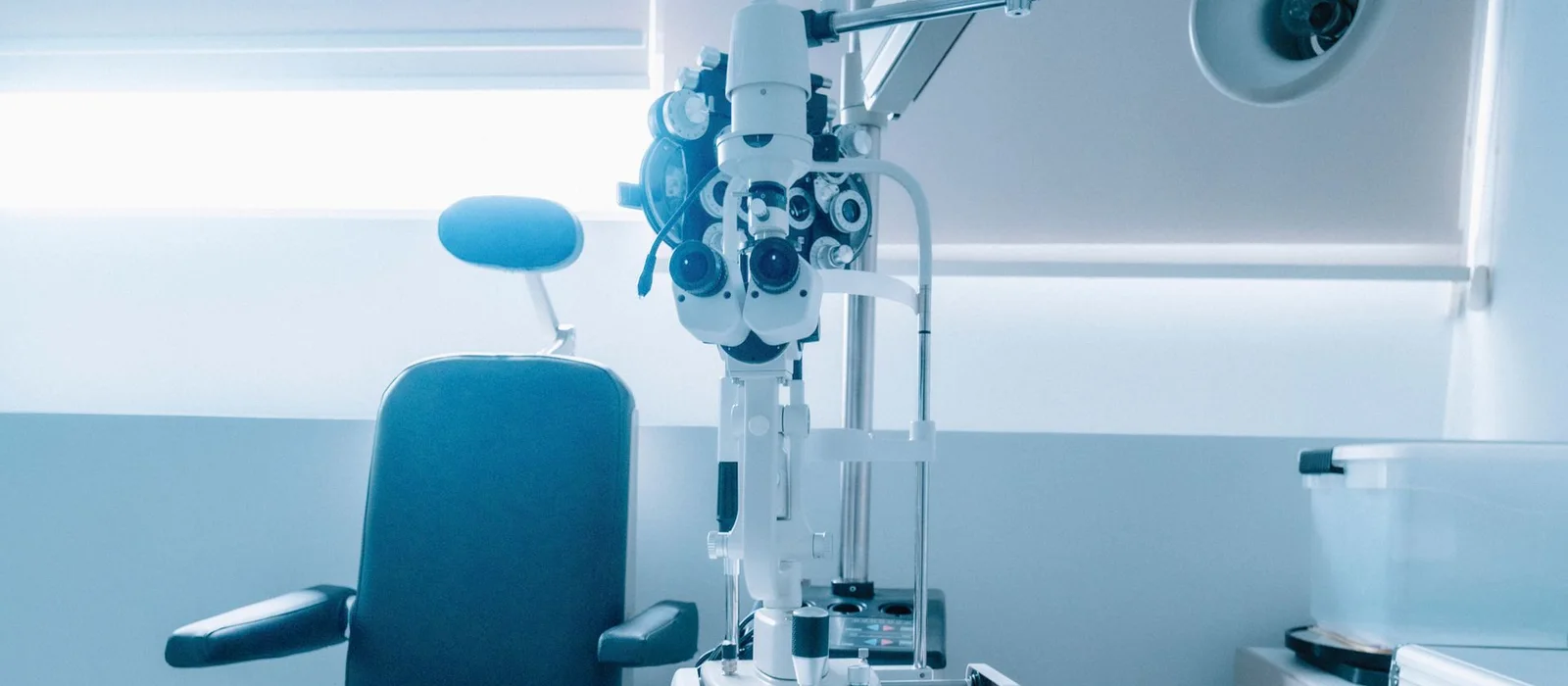
What we appraise in an eye care practice
An ophthalmology or optometry practice is really several equipment markets under one roof, and each is valued on its own evidence.
- Exam lanes: chairs and stands, phoropters, slit lamps, keratometers and the lane instruments that work as a set.
- Diagnostics: OCT, fundus cameras, autorefractors, tonometers, corneal topographers and visual field analyzers.
- Surgical: phacoemulsification systems, operating microscopes, and YAG, SLT and excimer lasers.
- Optical and dispensing: lens edgers, lensometers, pupilometers and finishing equipment.
- Support: sterilization, instrument processing and the exam room build-out that moves with the equipment.
| Category | What drives the value | Resale market |
|---|---|---|
| Exam lanes | Valued as a working set; a matched lane sells better than the same instruments scattered as parts | Moves steadily at modest prices |
| Diagnostics (OCT, fundus cameras) | Technology generation, and whether the software license, database and service eligibility transfer with the hardware | Late-generation units command real money; units two or three software generations back sell at a fraction of original cost |
| Surgical systems and lasers | Usage, documented service history and current manufacturer support | Well-documented surgical lasers command real money |
| Optical and dispensing | Age, condition, technology generation and the resale market for the class | Optical finishing equipment moves steadily at modest prices |
What actually drives the value
Technology generation leads. A current OCT or fundus camera holds value because the installed base of practices wants it; a unit two or three software generations back sells at a fraction of its original cost no matter how clean it looks. Software and licensing sit right behind it: many diagnostic platforms are only worth full value if the software license, database and service eligibility transfer with the hardware, and we confirm what conveys before it goes in the report.
Lanes are valued as working sets, because a matched lane sells better than the same instruments scattered as parts. On the surgical side, usage and service history carry the weight a mileage figure carries on a truck: a phaco system or laser with documented service and current manufacturer support is a different asset from the same model with neither.
The resale market is the evidence
Eye care equipment trades in an active secondary market of specialty dealers, refurbishers and practice-transition sales, and that market is where the comparable evidence comes from. It is also uneven.
Exam lane furniture and optical finishing equipment move steadily at modest prices, while late-generation diagnostics and well-documented surgical lasers command real money from buyers who know exactly what they are looking for. An appraisal reads each class against its own market rather than applying one blanket percentage to the whole asset list, which is how insurance schedules and back-of-envelope estimates go wrong.
Which premise fits your situation
The same exam lane carries different values for different questions. A practice sale or transition usually calls for fair market value. A loan or SBA file usually calls for a liquidation premise, orderly liquidation value or net orderly liquidation value, because the lender needs to know what the collateral returns if things go wrong. An estate, a partner buy-in or buy-out, or a divorce calls for fair market value as of a specific date. We confirm the premise before we begin so the number answers the question actually being asked.
Eye care sits inside our healthcare specialty alongside imaging, surgical and laboratory equipment. See the healthcare and medical equipment appraisal specialty for the full scope.
See our ophthalmology and optometry equipment appraisal specialty →
Common questions
Answers, up front.
How is optometry equipment valued for a practice sale?
Each category, exam lanes, diagnostics, optical finishing and support, is valued by age, condition, technology generation and the resale market for that class, under USPAP. For a sale the premise is usually fair market value, and the appraiser confirms which software and licenses convey before assigning value.
Does the software on an OCT or fundus camera affect its value?
Yes, often decisively. Many diagnostic platforms only carry full value when the software license, patient database export and service eligibility transfer with the hardware. A device that cannot be relicensed or serviced sells closer to parts value.
What premise does a lender use for eye care equipment?
A loan or SBA file usually calls for a liquidation premise such as orderly liquidation value (OLV) or net orderly liquidation value (NOLV), which estimates what the collateral returns in an orderly sale. A practice purchase, estate or divorce usually calls for fair market value instead.