
What is plastics machinery worth?
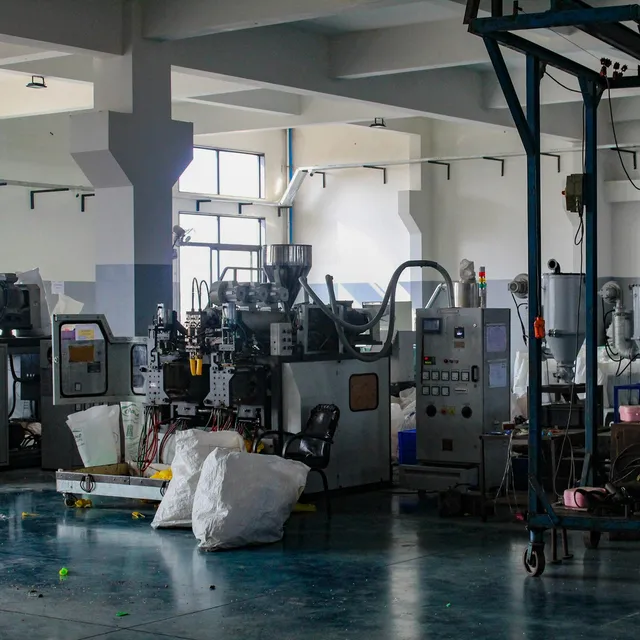
Plastics machinery is valued under USPAP by process, size, age, condition and the resale market: injection molding presses (by clamp tonnage, control generation and screw and barrel condition), extrusion lines, blow molding, thermoforming, and the auxiliary equipment that supports them. Tonnage and controls lead on presses: all-electric and newer servo-hydraulic machines hold value better than older hydraulics. Auxiliaries trade on their own market, and tooling and molds are usually appraised separately from the machines.
Lukes & Lukes is an independent machinery and equipment appraisal firm; a NEBB-certified Machinery & Equipment Appraiser (CMEA) prepares every report, and a second principal reviews it before it leaves.
By Jared Lukes · CEO & lead appraiserUpdated
Need a defensible value on equipment like this? Request an appraisal →
What we appraise
- Injection molding: presses across the tonnage range, hydraulic, servo-hydraulic and all-electric.
- Extrusion: single- and twin-screw extruders and downstream lines.
- Blow molding and thermoforming: extrusion and injection blow, and forming lines.
- Auxiliaries: chillers, dryers, granulators, conveying, blenders and feeders.
- Automation: take-out robots, sprue pickers and end-of-arm tooling.
What drives the value
On presses, clamp tonnage sets the class and control generation sets the rest: a current control with servo or all-electric drive holds value, while an older hydraulic machine with an unsupported control trades well below it, partly on energy cost and partly on parts availability.
Screw and barrel wear is a real, inspectable value driver, since replacement is expensive. Brand and the depth of the secondary market for that size class matter. Auxiliaries are valued in their own right, because a press is only productive with its chillers, dryers and material handling, and those move on their own market.
Tooling and molds are usually separate
Molds are often the most valuable items on the floor, but they are customer- or product-specific assets, and ownership frequently sits with the customer rather than the molder. We confirm what is owned and appraise tooling separately from the machines where it is in scope, rather than folding an assumed mold value into the presses.
Which premise applies
Lending and collateral work, SBA and wind-downs usually call for orderly liquidation value (OLV) or net orderly liquidation value (NOLV). A purchase or sale usually calls for fair market value (FMV). Estate and partnership matters use FMV as of a specific date. Plastics sits inside our general machinery and equipment specialty. See general machinery & equipment.
See our plastics and injection molding equipment appraisal specialty →
Common questions
Answers, up front.
What drives an injection molding press's value?
Clamp tonnage sets the class, then control generation and drive type: current servo-hydraulic or all-electric machines hold value, while older hydraulics with unsupported controls trade below them. Screw and barrel condition is a real, inspectable driver, along with brand and the depth of the secondary market for that size.
Are molds and tooling included in the value?
Usually appraised separately. Molds are often customer- or product-specific and ownership frequently sits with the customer, not the molder. We confirm what is owned and value tooling on its own where it is in scope, rather than folding an assumed mold value into the presses.
Do you value the auxiliary equipment too?
Yes. Chillers, dryers, granulators, conveying and robots are valued in their own right, because a press is only productive with them and they trade on their own market.