
How is surgical and operating-room equipment valued?
Surgical and operating-room equipment is valued under USPAP by class, generation, condition and the active resale market for each class: surgical tables, lights, electrosurgical and energy units, booms and integration systems, endoscopy towers, anesthesia machines, and surgical robots.
Service status, software and consumable lock-in move the number, and the cost to de-install built-in systems bears on what a buyer will pay. The premise follows the purpose: fair market value for a sale, a liquidation premise for a loan, fair market value as of an effective date for estate or partnership matters.
Lukes & Lukes is an independent machinery and equipment appraisal firm; every report is prepared by a NEBB-certified Machinery & Equipment Appraiser (CMEA) and reviewed by a second senior appraiser.
By Jared Lukes · CEO & lead appraiserUpdated
Valuing equipment in a practice or a facility? Request an appraisal →
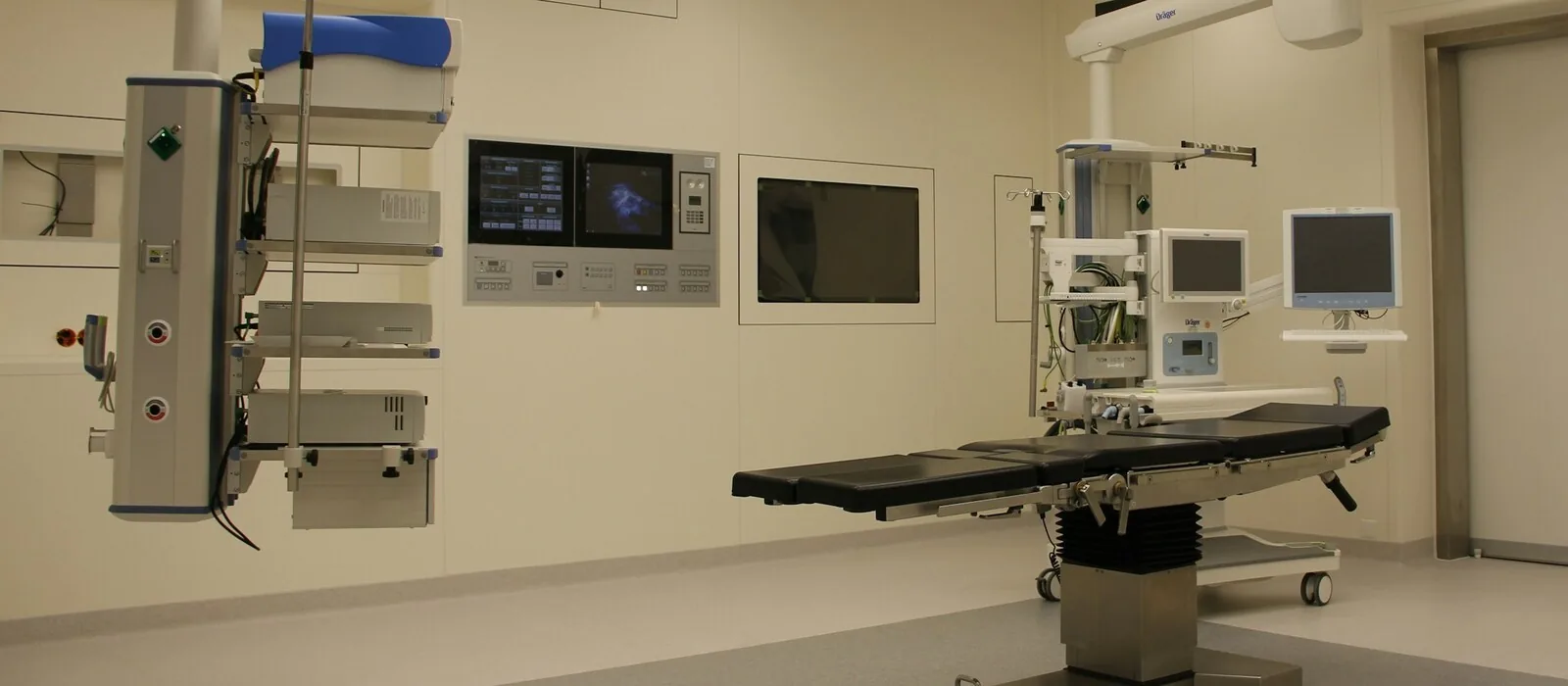
What we appraise in an OR
- Tables and lights: surgical tables, exam and procedure tables, and overhead surgical lighting.
- Energy and electrosurgical: electrosurgical generators, vessel-sealing and ultrasonic systems.
- Integration and booms: OR integration systems, ceiling booms and video routing.
- Endoscopy and visualization: towers, camera systems, insufflators and scopes.
- Anesthesia and monitoring: anesthesia machines, ventilators and patient monitors.
- Surgical robotics: robotic surgical systems, where value is tightly tied to service and consumables.
What drives the value
Generation and clinical relevance lead. A current-generation energy platform or robot holds value; a superseded one falls well below its original cost regardless of condition. Service status matters more here than in many asset classes: a transferable service agreement and current preventive maintenance support value, while an out-of-support platform is discounted.
Software, camera and robot consumable ecosystems can lock the buyer into a vendor, which the market prices in. Booms, integration and built-ins carry installation cost, and the cost to de-install and re-site them affects what a buyer will actually pay.
The robotics caveat
Surgical robots are their own market. Much of the economic value lives in the service contract and per-procedure consumables rather than the hardware alone, and resale can be constrained by the manufacturer. We value the asset realistically for the intended use, rather than anchoring to a list price that the secondary market does not support.
Which premise applies
The same OR carries different numbers depending on why you are asking: fair market value for a sale or surgery-center transaction, orderly or net orderly liquidation value for a loan or wind-down, and fair market value as of a date for estate, partnership or litigation matters. We confirm the premise before we begin. Surgical work sits inside our healthcare specialty alongside imaging and dental. See the healthcare and medical equipment specialty.
Common questions
Answers, up front.
How do you value operating-room equipment?
By class, under USPAP. A NEBB-certified Machinery & Equipment Appraiser (CMEA) values tables, lights, energy and electrosurgical units, integration and booms, endoscopy, anesthesia and robotics against generation, condition, service status and the resale market for each class, with the premise matched to the purpose.
How are surgical robots appraised?
Carefully and realistically. Much of a robot's economic value lives in the service contract and per-procedure consumables, and resale can be constrained by the manufacturer. We value the system for the intended use and the market that actually exists, not the list price.
Do service contracts affect value?
Yes, significantly for surgical equipment. A transferable service agreement and current maintenance support value, while an out-of-support or end-of-life platform is discounted. We confirm service and software status before forming an opinion of value.