
Certified appraisal vs equipment listing price
An asking price is what a seller hopes to get. A certified appraisal is an independent opinion of value, developed under USPAP from market evidence and the condition of the specific equipment, then signed by a qualified appraiser who stands behind it. The two often land on different numbers, and lenders, courts and the SBA rely on the appraisal, not the listing.
By Jared Lukes · CEO & lead appraiser · June 18, 2026
Need this number for a live file? Request an appraisal →
What a listing price actually tells you
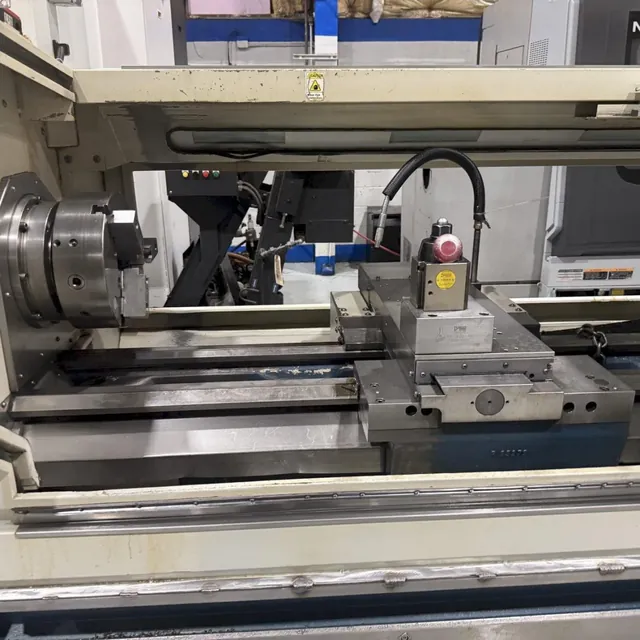
A listing price is a starting position. The seller sets it, often high, to leave room to negotiate, and it carries no methodology and no certification. It reflects one party's hope and the moment the ad was posted, not the condition, hours or configuration of the machine in front of you. A listing is useful market evidence, but a single asking number is not an opinion of value, and it is not independent of the person who wants to sell.
What a certified appraisal adds
A certified appraisal is built to be relied on. It is independent of the buyer, the seller and the lender, it is prepared under the Uniform Standards of Professional Appraisal Practice (USPAP), and it states the premise of value the assignment calls for, usually Fair Market Value, and Orderly Liquidation Value where the lender wants the downside on the record. The appraiser inspects the actual equipment, ties the value to real market evidence, itemizes the assets, and certifies the result.
- Independent: no stake in the sale, so the number carries no conflict of interest.
- USPAP-compliant: developed and reported under a recognized standard.
- Asset-specific: the value reflects this machine's age, condition, hours and tooling, not a generic model.
- Certified: signed by a NEBB-certified Machinery & Equipment Appraiser (CMEA) who is accountable for it.
Why the two numbers diverge
Asking prices drift from value for predictable reasons. They build in a negotiating cushion. They lean on the best comparable the seller could find, not the representative one. They rarely adjust for condition, missing tooling, or a thin resale market for that model. And they answer a different question: a listing asks what someone wants for the asset, while an appraisal answers what it is worth under a defined premise on a specific date. When the credit, the court or the tax position rests on the value, that distinction is the whole point.
When you need the appraisal, not the asking price
Any time a third party has to trust the number. That covers bank and SBA lending, a buy or sell between related parties, partner buyouts, estate and gift, divorce, insurance and litigation. In each of those, an asking price will not carry the file, because it is neither independent nor certified. The defensible number comes from our appraisal process: confirm the assignment and premise, inspect the equipment, document the evidence, and certify a report that holds up without a callback.
For business owners: when your equipment needs an independent appraisal →
Common questions
Answers, up front.
Is a dealer's asking price the same as an appraised value?
No. An asking price is what a seller wants and includes a negotiating cushion, with no methodology or certification. An appraised value is an independent opinion developed under USPAP from market evidence and the condition of the specific equipment, signed by a qualified appraiser. They frequently differ.
Can I use online equipment listings to value my equipment?
Listings are useful market evidence, but a single asking number is not an opinion of value. It is not independent of the seller, it is not adjusted for the condition or configuration of your asset, and it is not certified. An appraisal weighs that evidence against the specific equipment and a defined premise of value.
Which number does a lender or the SBA accept?
The certified, USPAP-compliant appraisal from an independent third party qualified for the asset class. A listing or asking price will not carry an SBA or bank file because it is neither independent nor certified. For machinery and equipment, that means a NEBB-certified Machinery and Equipment Appraiser (CMEA).