
What is construction and heavy equipment worth?
Construction and heavy equipment is valued under USPAP by make, model, year, meter hours, condition and attachments, against an unusually deep and transparent secondary market. Excavators, loaders, dozers, graders, cranes, compaction and off-highway trucks trade constantly at auction, so comparable sales evidence is strong. Hours and undercarriage condition drive the number, brand and regional demand matter, and emissions tier can limit where a machine can be sold. The premise follows the purpose, with lending and recovery work usually on a liquidation premise.
Lukes & Lukes is an independent appraisal firm; a NEBB-certified Machinery & Equipment Appraiser (CMEA) prepares every report, and a second senior appraiser reviews it.
By Jared Lukes · CEO & lead appraiserUpdated
Need a defensible value on equipment like this? Request an appraisal →
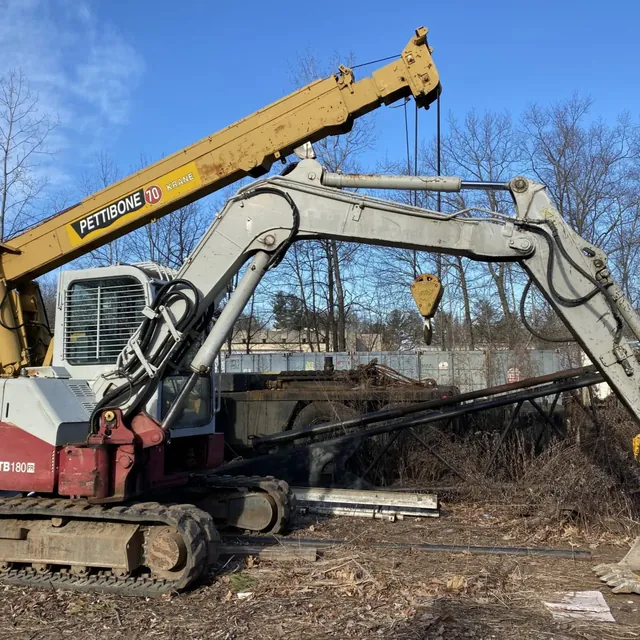
A market built for comparison
Construction equipment is one of the easier asset classes to support with market evidence, because so much of it sells through large, public auctions and dealer channels. That depth means the sales comparison approach usually leads: an appraiser can anchor to recent sales of the same make, model, year and hour band, then adjust for condition and attachments. It also means inflated numbers are easy to disprove, which is why lenders rely on a defensible appraisal rather than an owner's estimate.
What drives the value
- Meter hours: the primary value driver on most machines, read against typical hours for the age.
- Undercarriage and wear items: tracks, tires, ground-engaging tools and their remaining life.
- Make, model and configuration: brand strength, size class and the specific spec.
- Attachments: buckets, thumbs, couplers and specialty tools that convey, valued in their own right.
- Maintenance and hours history: documented service supports value; unknown history discounts it.
- Emissions tier: engine tier can restrict where a machine may operate or sell, which the market prices in.
Transport costs and net recovery
Heavy equipment is mobile, which widens the buyer pool but adds transport cost to any sale. For a multi-unit fleet, location and the cost to move iron to where buyers are bear on net recovery, especially under a liquidation premise. We account for transport and de-mobilization where they matter, rather than quoting a clean auction comp as if the machine were already on the block.
Which premise applies
Equipment loans, asset-based lending and recovery work usually call for orderly or net orderly liquidation value; a purchase, sale or fleet acquisition usually calls for fair market value; estate and partnership matters use fair market value as of a date. We confirm the premise and scope before the engagement begins. Construction equipment sits inside our general machinery and equipment specialty. See general machinery & equipment.
We appraise construction and heavy equipment across the country, including the major building markets in Dallas-Fort Worth and Houston.
See our construction and heavy equipment appraisal specialty →
Common questions
Answers, up front.
What most affects a construction machine's value?
Meter hours and undercarriage or wear-item condition lead, then make, model and configuration, attachments that convey, documented maintenance, and emissions tier. Because the auction market is deep, comparable sales evidence is strong and inflated numbers are easy to disprove.
Do you value attachments and a whole fleet?
Yes. Attachments such as buckets, thumbs and couplers are valued in their own right, and we appraise single machines or full fleets. For fleets, we also account for location and transport, which affect net recovery under a liquidation premise.
Which value premise is used?
Equipment loans, ABL and recovery usually use orderly or net orderly liquidation value; a purchase or sale uses fair market value; estate and partnership matters use fair market value as of a date. We confirm the premise before we begin.