
What is used CNC and metalworking equipment worth?
Used CNC and metalworking equipment is worth what a defined buyer will pay for that exact make, model, age, condition and control package in the active resale market, measured against the value premise your situation requires. The same machining center carries one number as loan collateral and another in a plant wind-down, because the value premise changes. The number is not a sticker price. It is an opinion of value, supported by market evidence and prepared to withstand review.
Lukes & Lukes is an independent appraisal firm; every report is prepared by a NEBB-certified Machinery & Equipment Appraiser (CMEA) and reviewed by a second senior appraiser.
By Jared Lukes · CEO & lead appraiserUpdated
Need a defensible value on equipment like this? Request an appraisal →
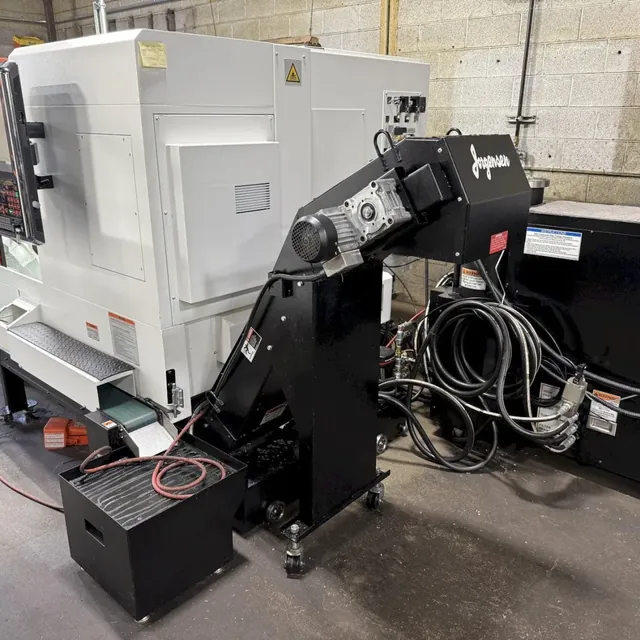
What actually drives the value of a machine tool?
Two machines that look identical on the floor can carry very different opinions of value. The work happens at the spec plate and in the resale data, not in a glance across the shop.
- Make and model: Brand depth, parts availability and the size of the installed base set the floor for resale demand. A model with a deep used market holds value differently than an orphaned import.
- Age and generation: A machine still in current production is supported differently than one two control generations back.
- Spindle hours and cut time: Posted hours, when verifiable, speak to remaining life on a machining center or lathe far more than the year of build.
- Controls and retrofits: The control is often half the machine. A modern control, a documented retrofit, or a fresh ballscrew and way replacement changes the opinion materially.
- Tooling and tool room: Live tooling, probing, bar feeders, chillers, holders and the contents of the tool crib carry value, and need to be inventoried rather than assumed.
- Condition and provenance: Maintenance records, alignment, crash history and how the asset was run all bear on what a buyer will pay.
This same discipline applies across a metalworking shop: vertical and horizontal machining centers, turning centers and lathes, mills, press brakes, fiber and CO2 lasers, plasma tables, MIG and TIG welders, grinders and saws. Each has its own active market, and each is valued on its own evidence.
How do appraisers reach the value?
A USPAP-compliant appraisal develops three approaches and reconciles them. We weight the approaches that the evidence supports for that asset class.
- Sales comparison: What comparable machines actually sell for through dealers, auctions and private sale. For CNC and metalworking gear, this is usually the strongest evidence because the used market is active and observable.
- Cost approach: Replacement cost new (RCN) for the asset, then depreciation for age, condition and obsolescence. This anchors specialized or thin-market assets where comparables run short.
- Income approach: Used selectively, where an asset's earning capacity drives its worth rather than its resale traffic.
None of these produce a credible number from a desk alone. We do not quote a value before inspection. The spec plate, the hour meter, the control revision and the condition of the ways are facts we confirm, not figures we accept on faith.
Which value premise applies to your situation?
A common mistake is asking for "the value" without naming the premise. The premise follows the reason for the appraisal, and it changes the number.
- Fair market value (FMV): A willing buyer and seller, neither compelled, with reasonable exposure time. The premise for many sale, partnership and planning decisions.
- Orderly liquidation value (OLV) and net orderly liquidation value (NOLV): A sale over a reasonable but limited period, with NOLV netting out the cost of sale. Common in lending and collateral files.
- Forced liquidation value (FLV): A compressed sale, often an auction, with little exposure time. The conservative floor a creditor or a wind-down may need.
Lending leans toward OLV and NOLV. A plant closure leans toward FLV. A clean sale or buyout leans toward FMV. We define the premise in plain language and apply it consistently. The canonical glossary lives on our process page if you want each term in full.
When the file is built for lending or SBA review, that fluency matters. We write for the credit desk, so our report reads the way a lender needs it to. Every opinion we issue is independent and prepared to withstand lender, SBA, IRS, audit and legal review.
We appraise CNC and metalworking equipment nationwide, including the dense machining and fabrication corridor across Chicagoland, where precision suppliers and job shops feed the region's aerospace, automotive and heavy-equipment tiers.
See our CNC and metalworking equipment appraisal specialty →
Common questions
Answers, up front.
Does a CNC control upgrade or retrofit raise the value?
Usually, yes. The control is often half the machine. A documented retrofit, a modern control, or a recent ballscrew and way replacement can change the opinion of value materially, because it changes what a buyer will pay and how long the asset stays useful.
Can you appraise a whole tool room and the loose tooling?
Yes. Live tooling, probing, holders, bar feeders, chillers and the contents of the tool crib carry value and are inventoried rather than assumed. We value the machines and the supporting assets together, on their own evidence.
Why do I get a different value for a loan than for a sale?
Because the value premise is different. Lending often calls for orderly liquidation value (OLV) or net orderly liquidation value (NOLV), while a clean sale leans toward fair market value (FMV). The asset has not changed. The defined buyer and the exposure time have.