
How is dental practice equipment valued?
Dental practice equipment is valued under USPAP by category, age, condition and the active resale market for each class: operatory chairs and delivery units, CBCT and digital imaging, intraoral scanners and CAD/CAM mills, sterilization, and any lab equipment. Technology generation moves value more than cosmetic condition, and built-ins carry a cost to remove and reinstall. The premise follows the purpose: fair market value for a practice sale, a liquidation premise for a loan, fair market value as of a date for an estate or partnership matter.
Lukes & Lukes is an independent Machinery & Equipment (M&E) appraisal firm; every report is prepared by a NEBB-certified Machinery & Equipment Appraiser (CMEA).
By Jared Lukes · CEO & lead appraiserUpdated
Valuing equipment in a practice or a facility? Request an appraisal →
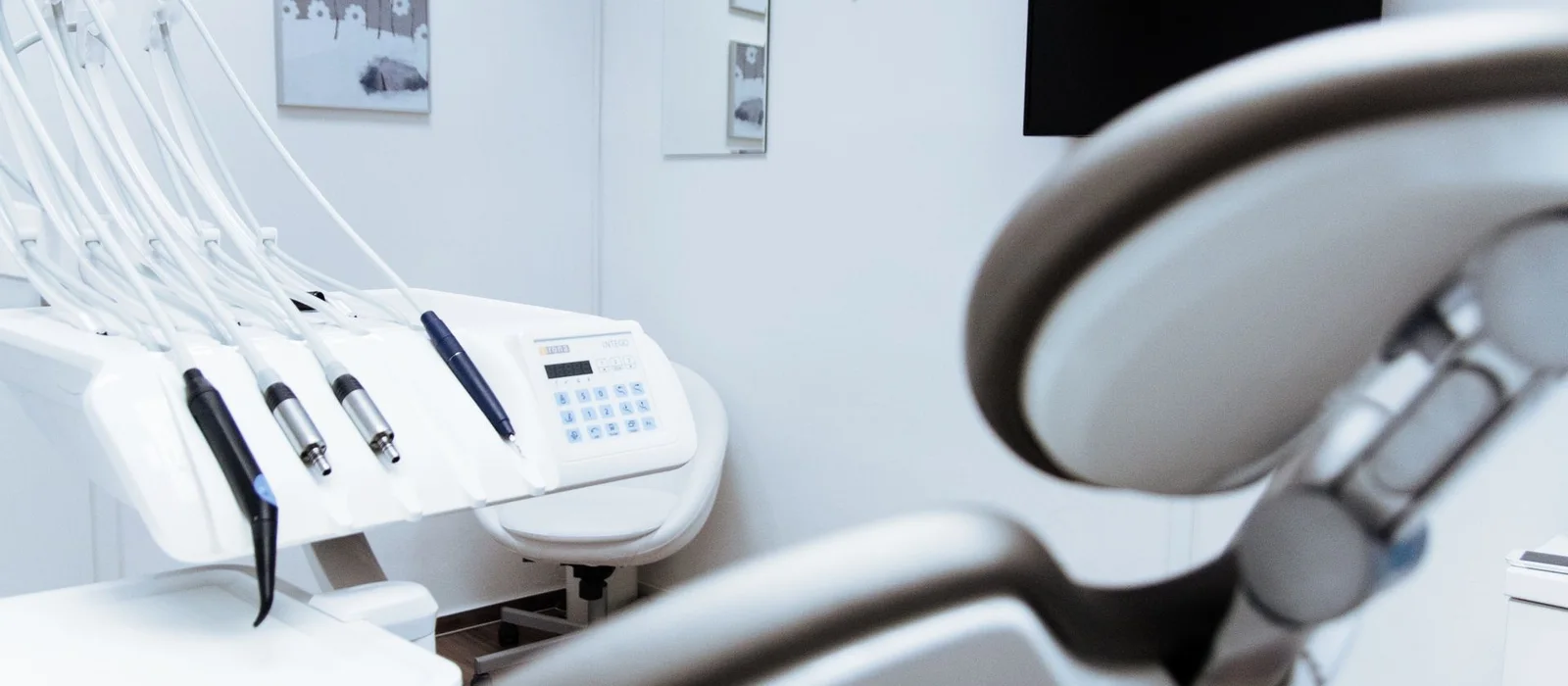
What we appraise in a dental practice
A practice is a collection of equipment markets, and each is valued on its own evidence.
- Operatories: chairs, delivery units, lights, stools and cabinetry per chair.
- Imaging: CBCT, panoramic and intraoral sensors, and the software that runs them.
- Digital workflow: intraoral scanners, CAD/CAM mills and 3D printers.
- Sterilization and infection control: autoclaves, washers and processing equipment.
- Support and lab: compressors, vacuum systems, nitrous, and any in-house lab equipment.
What drives the value
Two practices with the same equipment list can appraise very differently. Technology generation leads: a current intraoral scanner or CBCT holds value, while a unit two generations back sits well below its original cost regardless of how it looks. Age, condition and hours matter, as does whether the imaging and CAD/CAM software conveys and remains supported.
Built-ins, cabinetry, plumbing and wiring carry installation cost, and the cost to de-install and re-site equipment bears on what a buyer will actually pay. The active dealer and refurbisher market for each category is where the comparable evidence comes from.
How to value used dental equipment, step by step
The method is the same whether the practice is being sold, financed or divided. It is the discipline that makes the number hold up later.
- Inventory what is actually there. Make, model, serial and year per unit, operatory by operatory, separating owned equipment from leased and from what belongs to the landlord.
- Fix age, condition and technology generation. Generation is the one that moves the number. A scanner or CBCT two generations back sits well below original cost no matter how clean it looks.
- Confirm what conveys. Imaging and CAD/CAM software may be licensed rather than owned, and service contracts may not transfer.
- Choose the premise before pricing anything. The purpose sets it, and the premise changes the answer more than any single piece of equipment does.
- Gather market evidence per category. Dealer and refurbisher offerings, auction results and dated sales for that exact class, not a depreciation table applied across the whole list.
- Adjust for installation and removal. Built-ins, plumbing, wiring and cabinetry carry a real cost to de-install and re-site, and that bears on what a buyer pays.
- Reconcile and document. Every value traces to evidence in the file, which is what a lender, a court or the SBA will ask to see.
A depreciation schedule is not an appraisal. Book value reflects a tax election made years ago, not what the equipment would bring in today's market, which is why lenders and courts ask for an independent opinion instead. See the premises of value, explained, or the canonical definitions on our appraisal process page.
How dental equipment depreciates by category
Depreciation in a dental practice is not uniform. Operatory chairs and delivery units are durable, broadly standardized and always in demand, so they depreciate slowly: a well-maintained chair from a known manufacturer can hold 40 to 50 percent of its replacement cost at the ten-year mark. Sterilization equipment (autoclaves, washers) follows a similar curve.
Digital imaging is different. A current CBCT or panoramic unit holds value well because a buyer can put it into service immediately, but a unit two generations back, even if functional, sits well below original cost because the software, sensor resolution and clinical capabilities have moved past it.
Intraoral scanners and CAD/CAM mills depreciate the fastest of any category in a dental practice: technology cycles are short, and a mill or scanner that was current three years ago may already be out of the manufacturer's support window. Compressors, vacuum systems and nitrous delivery are commodity equipment, valued on condition and hours rather than brand or generation.
What a dental equipment appraisal costs
There is no flat price for a practice, because the work is not the same from one to the next. Fee is a function of scope, and scope comes down to a handful of things we confirm before quoting: how many operatories and how much imaging and lab equipment is on the list, whether the assignment needs an on-site inspection or can be done from records and photographs, the premise and effective date the purpose requires, how complete the existing asset records are, and whether the report has to carry into a setting where it will be challenged.
That last one matters more than practice size. An appraisal supporting a lending decision or an SBA file is built to a lender's documentation standard, and one prepared for litigation or expert testimony is built to survive cross-examination. Both take more work than a planning estimate, and both are worth more to the person holding them. Tell us the purpose and the asset list and we will scope it precisely rather than quote a range that moves later.
Which premise applies to your situation
The same operatory carries different numbers depending on why you are asking. A practice purchase or sale usually calls for fair market value, often as part of a transition. A loan or SBA file usually calls for a liquidation premise such as orderly liquidation value or net orderly liquidation value. An estate, a partnership buy-in or buy-out, or a divorce calls for fair market value as of a specific date. We confirm the premise before we begin, so the number fits the decision in front of you.
Dental work sits inside our healthcare specialty alongside imaging and surgical equipment. See the healthcare and medical equipment appraisal specialty, or, for imaging specifically, medical imaging equipment appraisals.
Common questions
Answers, up front.
How do you value a dental practice's equipment?
A certified appraiser values each category, operatories, imaging, digital workflow, sterilization and support, by age, condition, technology generation and the resale market for that class, under USPAP. Built-ins and the cost to remove and reinstall are accounted for, and the premise is matched to the purpose.
Does CBCT and CAD/CAM software count toward value?
Often, but only what conveys and remains supported. Imaging, CAD/CAM and practice-management software can carry meaningful value, and it may be licensed rather than owned. We confirm what transfers with the equipment before reflecting it in the report.
What does a dental equipment appraisal cost?
It depends on scope rather than on a fixed rate. The drivers are the size of the equipment list, whether an on-site inspection is required, the premise and effective date the purpose calls for, how complete your existing records are, and whether the report needs to hold up to a lender's review or to cross-examination. Send the purpose and an asset list and we will scope it precisely.
Can you value used dental equipment without a site visit?
Sometimes. If the asset records are complete and the equipment is well documented with photographs, serials and service history, a desktop assignment can be appropriate. Where condition is the deciding factor, or where the report will support a loan or a legal proceeding, an inspection is usually the defensible choice. We tell you which one your purpose calls for before we start.
Is the value for a sale the same as for a loan?
No. A sale usually uses fair market value; a loan or SBA file usually uses a liquidation premise such as OLV or NOLV; an estate or partnership matter uses fair market value as of a specific date. The same equipment carries different values for different purposes.
What is a dental equipment appraisal?
A dental equipment appraisal is an independent, USPAP-compliant opinion of value for the machinery and equipment in a dental practice: operatory chairs, delivery units, imaging (CBCT, panoramic, intraoral sensors), digital workflow (scanners, CAD/CAM mills), sterilization, and support equipment. It is prepared by a certified machinery and equipment appraiser who inspects each asset, confirms ownership and condition, and develops a value supported by market evidence under the premise the assignment requires.
Why does technology generation matter more than age in dental equipment?
Because the buyer pool for dental imaging and digital workflow equipment follows technology cycles, not calendar age. A five-year-old CBCT that is still current-generation and manufacturer-supported will hold value well. A five-year-old unit that is two generations back, even if mechanically sound, sits well below cost because the clinical capabilities have been surpassed and software support may have ended. Operatory chairs and sterilization equipment are less affected, since their function and design change slowly.