
What is collision and body-shop equipment worth?
Collision and body-shop equipment is valued under USPAP by category, age, condition and the active resale market: frame and measuring systems, downdraft spray booths, prep stations, welders, ADAS calibration systems and paint-mixing equipment. Spray booths and frame machines carry installation, permitting and code considerations. OEM certification programs now dictate much of what a shop must run, which supports value for current, compliant gear and strips it from tools a program no longer accepts.
The premise follows the purpose; lending and wind-down work usually calls for a liquidation premise. Lukes & Lukes is an independent machinery and equipment appraisal firm. A NEBB-certified Machinery & Equipment Appraiser (CMEA) prepares each report, and a second senior appraiser checks it before it goes out.
By Jared Lukes · CEO & lead appraiserUpdated
Valuing a dealership, a shop or a fleet? Request an appraisal →
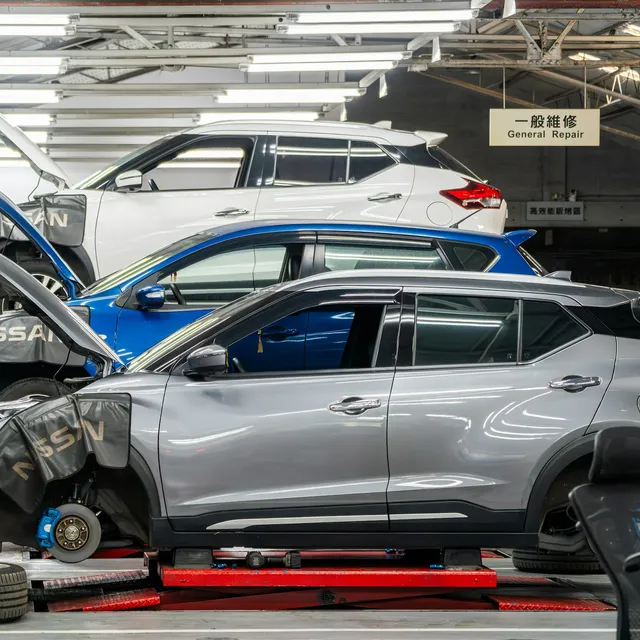
What we appraise in a body shop
- Frame and measuring: frame machines, benches and electronic measuring systems.
- Refinishing: downdraft spray booths, prep stations, mixing rooms and curing equipment.
- Welding and joining: MIG and resistance welders, including OEM-required aluminum and rivet-bonding stations.
- ADAS and diagnostics: calibration systems, targets, scan tools and programming hardware.
- Lifts and support: lifts, compressors, dust extraction and shop tooling.
What drives the value
Two shops with the same equipment list can appraise very differently. Spray booths and frame machines are the anchor assets; their value turns on condition, code compliance and the cost to remove and re-install fixed equipment. OEM certification has become a major driver.
Automakers now require specific welders, measuring systems and ADAS calibration rigs to keep a certification, so compliant current equipment holds value and tools a program has dropped fall away. ADAS calibration in particular has shifted from optional to essential: current systems support value, older diagnostic gear does not.
Installation and what conveys
Body-shop value lives heavily in fixed assets. A downdraft booth is worth far more in place than as a unit a buyer must dismantle, transport and re-permit, which is why orderly liquidation value can sit below the booth's contribution to a working shop. We account for de-install, transport and code considerations, and we confirm what actually conveys, before the number goes in the report.
Which premise applies
Lending, SBA collateral and wind-downs usually call for orderly or net orderly liquidation value; a purchase or sale usually calls for fair market value; estate and partnership matters use fair market value as of a date. Collision work sits inside our automotive specialty. See automotive equipment appraisals.
We appraise collision and body shop equipment across the country, including the Raleigh-Durham Triangle and the broader North Carolina automotive corridor.
See our collision and body shop equipment appraisal specialty →
Common questions
Answers, up front.
What is the most valuable equipment in a collision shop?
Usually the fixed assets: downdraft spray booths and frame or measuring systems, followed by OEM-required welders and ADAS calibration systems. Their value turns on condition, code compliance and the cost to remove and re-install, and on whether they still meet current OEM certification programs.
Does OEM certification affect equipment value?
Yes, increasingly. As automakers mandate specific welders, measuring systems and ADAS calibration to maintain a certification, compliant current equipment holds value while tools that no longer meet a program lose it. We account for certification relevance in the appraisal.
Which value premise applies?
Lending, SBA collateral and wind-downs usually use orderly or net orderly liquidation value; a purchase or sale uses fair market value; estate and partnership matters use fair market value as of a date. We confirm the premise before we begin.