
What is food processing and packaging equipment worth?
Food processing and packaging equipment is valued under USPAP by category, age, condition, sanitary construction, throughput and the resale market for each class: mixers, ovens and fryers, fillers and depositors, labelers and case packers, conveyors, and refrigeration. Stainless, washdown-rated machines hold value because they can move into another food plant. Whether a line is a custom-integrated system or a set of standalone machines changes both the number and how readily the assets sell.
Lukes & Lukes is an independent machinery and equipment appraisal firm; every report is prepared by a NEBB-certified Machinery & Equipment Appraiser (CMEA) and reviewed by a second principal before it goes out.
By Jared Lukes · CEO & lead appraiserUpdated
Need a defensible value on equipment like this? Request an appraisal →
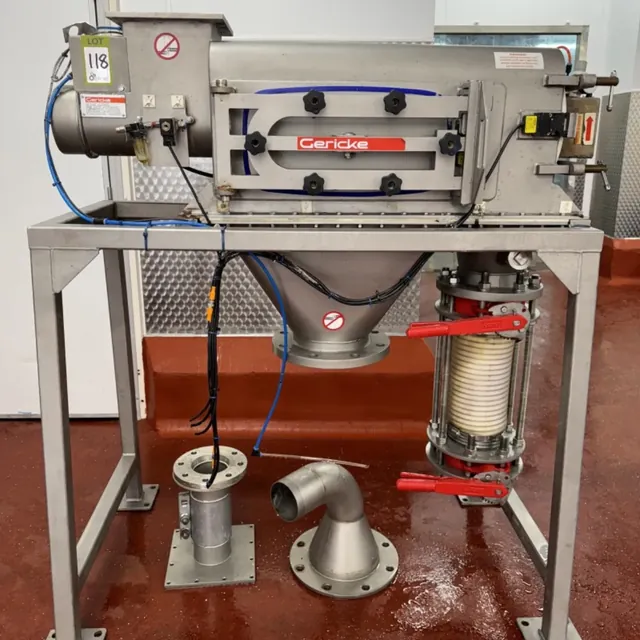
What we appraise
- Processing: mixers, blenders, cookers, ovens, fryers, kettles and extruders.
- Filling and packaging: fillers, depositors, cappers, baggers, labelers, case packers and palletizers.
- Material handling: sanitary conveyors, elevators and accumulation tables.
- Refrigeration and thermal: chillers, blast freezers, walk-ins and ammonia or glycol systems.
- Utilities and support: compressors, boilers, water treatment and CIP (clean-in-place) systems.
What drives the value
Sanitary construction leads: stainless, washdown-rated, USDA- or FDA-appropriate equipment holds value because it can move into another food plant; painted or non-sanitary gear cannot, and trades accordingly. Throughput and format matter, and so does flexibility: a machine that handles many container sizes resells more easily than one tooled for a single product.
Integration cuts both ways: a custom continuous line can be highly productive in place but hard to relocate, which depresses its liquidation value relative to standalone machines that buyers can pick off individually. Refrigeration is regulated too: ammonia systems carry de-install and compliance costs that any buyer prices in.
Integrated lines vs standalone machines
This distinction drives the gap between in-place value and what the assets bring at liquidation. A fully integrated, automated line is worth a great deal to a going concern but may be expensive to remove and re-commission elsewhere, so its orderly liquidation value can sit well below its contribution to a working plant. Standalone, common machines from known builders have a deeper buyer pool. We weigh both, because the right number depends on whether the plant keeps running or the assets are sold.
How food processing equipment depreciates
Depreciation in food processing is non-linear and category-dependent. Stainless sanitary equipment (mixers, kettles, CIP systems) depreciates slowly because a buyer in a different plant can put it straight to work. A well-maintained stainless mixer from a known builder can retain 40 to 60 percent of its replacement cost at the ten-year mark.
Painted carbon-steel gear depreciates faster because it cannot enter a food plant without re-engineering. Custom-integrated continuous lines depreciate even faster on a liquidation basis: they are productive in place but expensive to de-install, ship and re-commission, so their orderly liquidation value can sit well below their contribution to a working plant.
Technology-dependent equipment (automated portioning, vision-guided labeling, programmable depositors) loses value more quickly as newer controls arrive. Refrigeration depreciates by regulation as much as by wear: an ammonia system carries de-install, compliance and permitting costs that any secondary buyer prices in, so its liquidation value reflects those costs even when the compressors run well.
When you need a food processing equipment appraisal
A food processing equipment appraisal establishes the defensible value of the machinery, packaging lines, refrigeration and support equipment in a food or beverage facility. The most common situations:
- Lending and collateral: a lender underwriting a food plant needs OLV or NOLV on the equipment to size collateral coverage. An independent appraisal gives the credit desk a number it can defend.
- SBA financing: SBA 7(a) loans require an independent appraisal when the lender values equipment above net book value, and 504 loans when used equipment is bought from a non-dealer or refinanced.
- Workout and wind-down: a lender or trustee disposing of a food plant needs FLV or OLV to set expectations and support the disposition plan.
- Sale or acquisition: a buyer acquiring a food processing business, or a seller pricing one, needs fair market value on the hard assets to separate equipment from goodwill and real estate.
- Estate, partnership and divorce: personal property in a food business must be valued as of a specific date for tax, buy-sell and equitable distribution purposes.
- Insurance: a fire, flood or mechanical failure in a food plant often requires an independent valuation of the damaged or destroyed equipment for the claim.
Which premise applies
Lending, SBA collateral work and wind-downs usually call for orderly liquidation value (OLV) or net orderly liquidation value (NOLV). A sale or acquisition usually calls for fair market value (FMV). Estate and partnership matters use FMV as of a specific date. Food processing sits inside our general machinery and equipment specialty. See general machinery & equipment.
We appraise food processing, packaging and cold-chain equipment across the country, including the dense processing corridor across Chicagoland and the upper Midwest, where meatpacking, bakery, cereal and packaged-food plants are concentrated.
Common questions
Answers, up front.
What makes food processing equipment hold its value?
Sanitary, stainless, washdown-rated construction that can move into another food plant, common formats from known builders, flexibility across product sizes, and documented condition and maintenance. Non-sanitary or single-purpose gear trades at a discount.
Why is an integrated line worth less at liquidation than in place?
Because a custom, automated line is productive where it sits but can be costly to remove and re-commission elsewhere. That lowers its orderly liquidation value relative to standalone machines, which have a deeper buyer pool and are easier to relocate.
Which value premise applies?
Lending, SBA collateral and wind-downs usually use orderly or net orderly liquidation value; a sale or acquisition uses fair market value; estate and partnership matters use fair market value as of a date. We confirm the premise before we begin.
Does food processing equipment hold its value at auction?
Stainless, sanitary, standalone machines from known builders hold value well at auction because they can move into another food plant with minimal modification. Custom-integrated lines, painted carbon-steel equipment and technology-dependent machinery tend to bring less at auction because the buyer pool is narrower and the de-install and re-commission costs are higher.
How is a food processing equipment appraisal different from a general equipment appraisal?
The sanitary construction standard is the main differentiator. A food processing appraiser has to distinguish stainless from painted, washdown-rated from standard, and USDA-appropriate from general-purpose, because each of those distinctions changes the resale market and the value. Refrigeration regulation, food-safety compliance, and the integrated-line-versus-standalone question also require category-specific judgment that a general equipment appraisal may not address.