
What is fabrication and welding equipment worth?
Fabrication and welding equipment (press brakes, shears, plasma and laser cutting, plate rolls, ironworkers, welders and positioners) is valued under USPAP by type, capacity, age, condition, control generation and the active dealer and auction market. Tonnage and bed length lead on forming machines.
Laser source and power lead on cutting, where a fiber laser holds value better than an older CO2 unit. This is the forming, cutting and joining side of the shop; chip-making CNC machining is covered separately. The premise follows the purpose: a liquidation premise for a lender's file, fair market value for a sale.
Lukes & Lukes is an independent appraisal firm; every report is prepared by a NEBB-certified Machinery & Equipment Appraiser (CMEA) and reviewed by a second senior appraiser.
By Jared Lukes · CEO & lead appraiserUpdated
Need a defensible value on equipment like this? Request an appraisal →
What we appraise
- Forming: press brakes, stamping presses, plate and angle rolls, and tube benders.
- Shearing and punching: shears, turret punches and ironworkers.
- Cutting: fiber and CO2 lasers, plasma tables and waterjet.
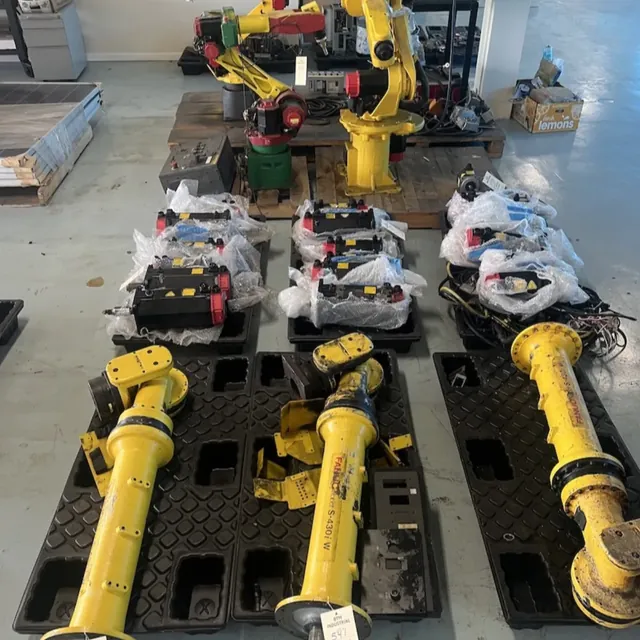
- Welding: MIG, TIG and submerged-arc welders, and robotic welding cells.
- Support: positioners, manipulators, fume extraction and material handling.
What drives the value
On forming equipment, tonnage and bed length set the class, then control generation: a press brake with a current CNC control and modern backgauge is worth far more than the same iron with an obsolete or unsupported control. On cutting equipment, the technology shift matters most.
Fiber lasers have largely displaced CO2 for sheet cutting, so a fiber machine of a given power holds its value while older CO2 units fall, and laser source hours and resonator condition carry real weight. Welders trade on a deep market and hold value reasonably well; robotic welding cells are valued as systems, with the controller and programming factored in.
Standalone machines vs integrated cells
Most fabrication equipment is standalone and trades through an active dealer and auction market, which makes comparable evidence strong and inflated numbers easy to disprove. Integrated and automated cells (a laser with an automated material tower, a robotic welding cell) are productive in place but harder to relocate and re-commission, so their orderly liquidation value can sit below what they contribute to a working shop. We weigh both.
Which premise applies
Lending and collateral, SBA and wind-downs usually call for orderly or net orderly liquidation value; a purchase or sale usually calls for fair market value; estate and partnership matters use fair market value as of a date. Fabrication sits inside our general machinery and equipment specialty. See general machinery & equipment.
We appraise fabrication and welding equipment across the country, including the massive manufacturing base in Los Angeles and the broader Southern California corridor.
See our fabrication and welding equipment appraisal specialty →
Common questions
Answers, up front.
What drives the value of a press brake or shear?
Tonnage and bed length set the class, then control generation and backgauge: a current CNC control and modern backgauge add significant value, while an obsolete or unsupported control subtracts it. Condition, tooling and brand round it out, against an active dealer and auction market.
Is a fiber laser worth more than a CO2 laser?
Generally yes, at comparable power. Fiber lasers have largely displaced CO2 for sheet cutting, so fiber machines hold value while older CO2 units decline. Laser source hours, power and resonator condition are real value drivers we account for.
How is this different from a CNC machining appraisal?
This covers forming, cutting and joining: press brakes, shears, lasers and welders. A CNC machining appraisal covers chip-making metalcutting such as mills, lathes and machining centers. Many shops have both, and we value each on its own market.