
General machinery and equipment appraisals.
A machinery and equipment appraisal from Lukes & Lukes covers manufacturing, fabrication, food processing, plastics, construction and process equipment nationwide, in USPAP-compliant reports built to hold up in front of a lender, the IRS, an auditor or a court.
At a glance
- What we appraise
- Metalworking and CNC, fabrication, food processing and packaging, plastics, printing, construction, woodworking, agriculture, commercial kitchens, material handling and industrial process equipment.
- What drives value
- Make, model, age, hours, condition and the active resale market for the asset.
- Values reported
- FMV, OLV, FLV, NOLV and RCN, with the premise set by why you are asking.
- Who relies on it
- Lenders and SBA underwriters, buyers, sellers and their advisors, CFOs and controllers, and attorneys and executors.
- What the report gives you
- A narrative, an itemized appendix valuing the assets line by line, and photographs of condition, with independent senior review. Nothing is bulked into a lump sum.
- Standard
- USPAP-compliant, prepared by a NEBB-certified Machinery & Equipment Appraiser (CMEA).
Experience across the institutions that own the assets and finance the deals

 Ameriprise


Our principals have performed analysis and consulted for organizations across finance and industry. These marks reflect experience, not endorsement.
What we appraise
The full industrial floor, valued asset by asset.
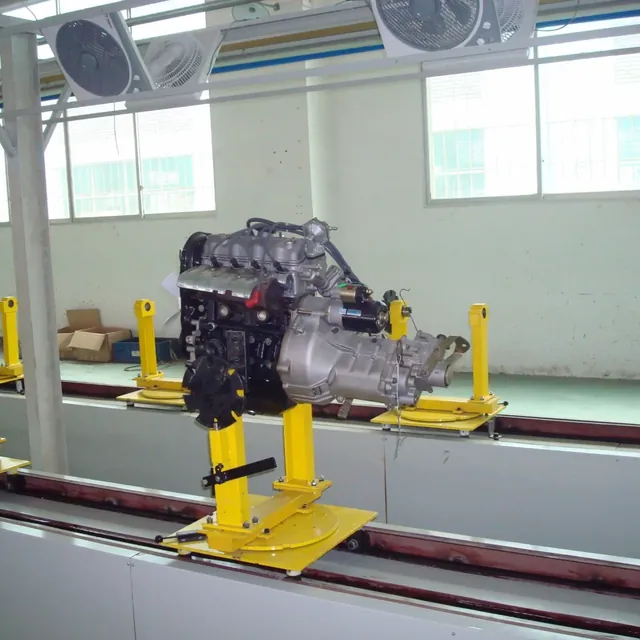
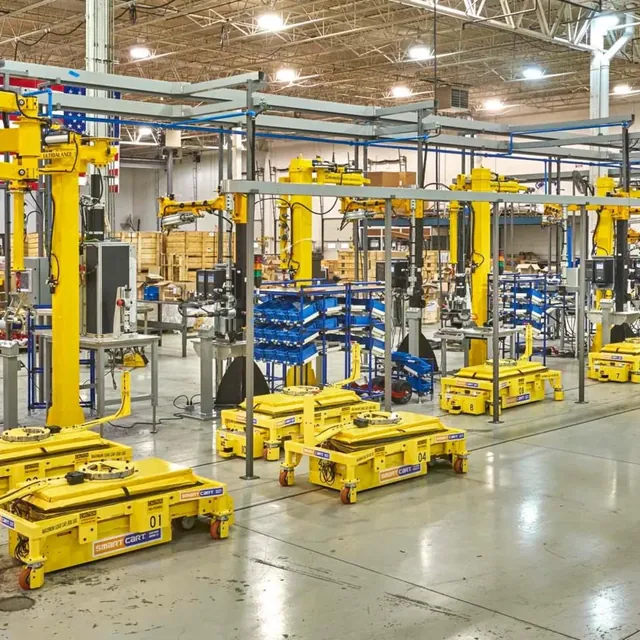
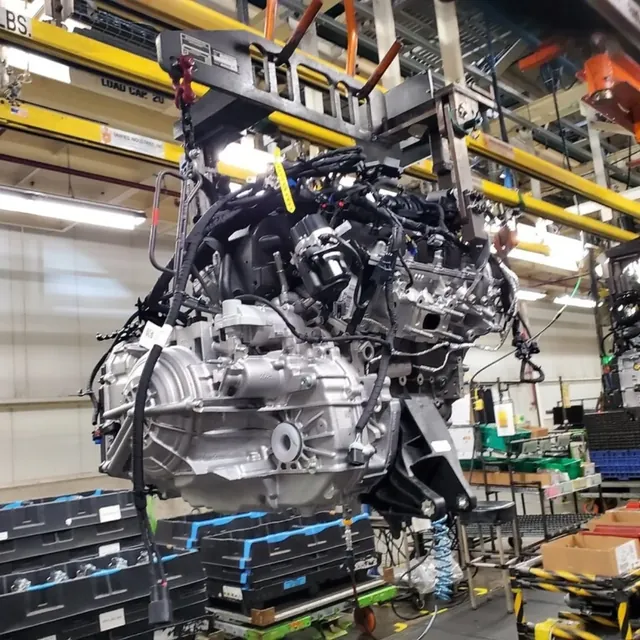
General machinery and equipment covers the production assets that run a plant or a shop: the machines, the lines, the lifts and the process equipment a balance sheet stands on. We value each asset by make, model, age, hours, condition and the active resale market, then reconcile the analysis into one defensible number. Manufacturing equipment, CNC and metalworking, food processing lines and construction fleets all get the same treatment: inspected, documented and supported with market evidence.
- Metalworking and CNC: mills, lathes, press brakes, grinders and EDM
- Fabrication and welding: shears, plasma and laser cutting, welders and positioners
- Food processing and packaging: mixers, ovens, fillers, labelers and case packers
- Plastics: injection molding presses, extrusion lines and auxiliary equipment
- Printing and converting: presses, laminators, slitters and finishing lines
- Construction and heavy equipment: excavators, loaders, dozers and rolling stock
- Woodworking: saws, CNC routers, edgebanders and dust collection
- Packaging and bottling: fillers, cappers, labelers, case packers and complete lines
- Agricultural equipment: tractors, combines, implements and grain handling
- Restaurant and commercial kitchen: cooking lines, hoods, walk-ins and refrigeration
- Material handling and automation: forklifts, racking, conveyors, AGVs and warehouse robotics
- Industrial HVAC, compressors and process equipment: chillers, air systems, tanks and pumps
Which value applies
The right value depends on why you are asking.
The same machine carries different numbers depending on why you need the appraisal. We determine and defend the premise that fits: Fair Market Value (FMV) for a willing buyer and seller, Orderly Liquidation Value (OLV) for a sale over a reasonable period, Forced Liquidation Value (FLV) for a fast compelled auction, Net Orderly Liquidation Value (NOLV) after the costs of sale, and Replacement Cost New (RCN) for insurance.
Who orders it
Ordered by the people who carry the risk.
Lenders and SBA underwriters order it to set collateral value. Buyers, sellers and their advisors order it to price a deal and allocate a purchase price. CFOs and controllers order it for insurance schedules and audit support. Attorneys, executors and the IRS rely on it for litigation, estates and tax. Each of them reads the report differently, so we write one report that answers all of them.
What you get
A narrative, the appendix, and the proof.
Every engagement delivers a written narrative that states the scope, the premise of value and the methodology, an itemized appendix that values the assets line by line, and photographs that document condition. A certified appraiser builds and documents the value, then an independent senior reviewer signs off before the report leaves. A CNC machining center and a forklift get the same treatment: identified, inspected, graded and valued on the record. Nothing is bulked into a lump sum for being minor.
- Cost, market and income approaches applied by a NEBB-certified appraiser
- Itemized appendix, narrative and photographs in every report
- Independent senior review on every report
- Lender-fluent by design: we write for the credit desk, so our reports read the way a lender needs them to
Common questions
Answers, up front.
How much is used manufacturing equipment worth?
It depends on the asset class, age, condition, hours, and the active resale market, valued under the premise the situation requires (fair market value for a sale, orderly or forced liquidation value for a wind-down). A certified appraiser inspects, applies the cost, market and income approaches, and documents a defensible number.
What industries fall under general machinery and equipment?
Manufacturing and metalworking, fabrication and welding, food processing and packaging, plastics, printing, construction, woodworking, material handling and warehouse automation, and industrial process equipment. If your equipment is more specialized, we value it against the market where it actually trades.
What is the difference between FMV, OLV and FLV for industrial equipment?
Fair Market Value assumes a willing buyer and seller under no pressure; Orderly Liquidation Value assumes a sale over a reasonable period; Forced Liquidation Value assumes a fast, compelled auction. We determine and defend the premise that fits.
Are your appraisals accepted by lenders, the SBA and the courts?
Yes. Reports are USPAP-compliant, prepared by a NEBB-certified Machinery & Equipment Appraiser (CMEA), and built to withstand lender, SBA, IRS, audit and legal review.
In one minute
Three things that decide the value.
Hours and history outweigh calendar age, the market that sets the value is national rather than local, and condition is verified on site. One minute, before you buy, sell, or finance heavy equipment.
