
How is sterilization equipment valued?
By class, not by department. A tabletop autoclave trades on a liquid used market and holds real value wherever it lands. A bulk steam sterilizer, wired into the building's steam and drains, is worth far more running in place than it is sitting on a truck. Lukes & Lukes is an independent machinery and equipment appraisal firm, and this is how we build that number for a sterile processing department.
By Jared Lukes · CEO & lead appraiser · August 4, 2026
Valuing equipment in a practice or a facility? Request an appraisal →
What is a sterile processing department's equipment actually worth?
It depends on which piece you mean, because a sterile processing department is really two kinds of asset sharing one room. Tabletop and portable equipment behaves like ordinary personal property: unbolt it, crate it, sell it, and it keeps most of its value wherever it ends up. Bulk and installed equipment behaves more like a building system. It was plumbed, wired and validated for one specific room, and pulling it out strips away most of what made it worth what it was worth. A single appraisal has to price both classes correctly, on their own terms, or the number is misleading to whoever relies on it.
How are steam sterilizers valued?
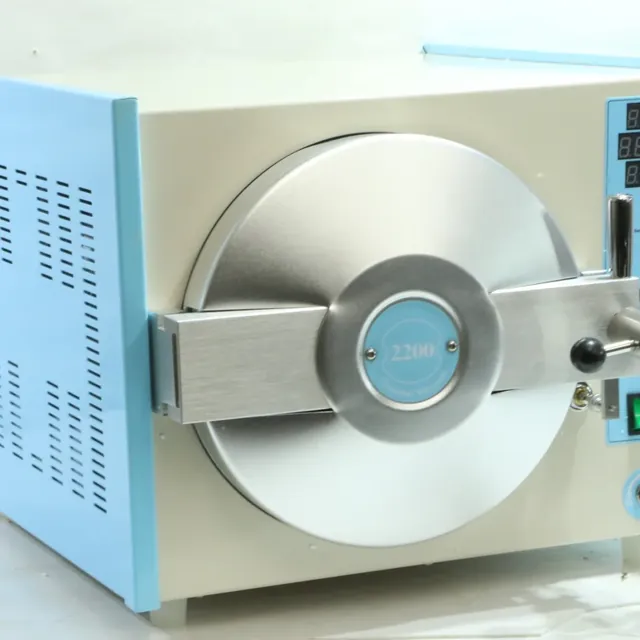
By chamber size, throughput class, age and the resale market that actually exists for that class. Tabletop autoclaves are the easiest case: dental, veterinary and outpatient buyers create a steady, liquid secondary market, so a well-maintained unit sells close to what a similar used unit sells for anywhere else. Bulk and pass-through sterilizers are the harder case, because the steam, drain and ventilation work behind them can cost as much as the machine itself, and none of that infrastructure travels with the unit if it is removed. The report states plainly whether the number reflects the sterilizer operating in place or the sterilizer sitting on a dock, because those are two different figures. We confirm the premise before the engagement begins.
- Tabletop autoclaves: valued against an active used market in dental, veterinary and clinic settings.
- Bulk and pass-through steam sterilizers: valued in place first, then discounted for removal and reinstallation if the premise calls for it.
- Washer-disinfectors and ultrasonic cleaners: valued with the decontamination line, by cycle capacity and condition.
- Low-temperature systems (hydrogen peroxide, EtO): valued on a narrower market of specialty buyers for heat-sensitive instrument processing.
Why doesn't the water treatment system travel with the sterilizers?
Because it was built for one address. A reverse-osmosis or deionization plant feeding a sterile processing department is plumbed into the building, sized to the department's throughput and qualified in place to a water-quality standard tied to that specific installation. Take it out and the plumbing, the qualification, and the fit to that room all stay behind. In an appraisal for a going-concern loan or a facility sale, that installed water plant carries meaningful value as part of the operating asset. In an appraisal built around liquidation, where everything is priced as if sold off the floor, it carries very little. A portable RO unit is the exception: it is still just a machine, and it values like one. The same logic governs the water plant behind a dialysis floor, which is why how dialysis equipment is valued turns on the same in-place question.
Does validation and service history change the number?
Yes, often more than the machine's age does. A sterilizer with current validation records, biomedical service logs and a documented preventive maintenance program can go straight into service for the next owner, and buyers pay for that certainty. A unit with no paper trail has to be requalified before anyone can legally run instruments through it, and that cost and delay comes straight out of the price a buyer will offer. Two sterilizers of the same age and cosmetic condition can carry noticeably different values once the service history is factored in, which is why the appraisal looks past the exterior to the records behind it.
When does a facility need this appraisal?
Most often for financing. A bank or SBA lender underwriting a loan against a surgery center, hospital or clinic wants an independent, defensible value for the sterile processing equipment pledged as collateral, separate from any figure the borrower supplies. The same report structure supports a facility sale or purchase price allocation, where a buyer needs the sterile processing line valued as part of the deal, and it supports a department closure or downsizing, where the sterilizers, washers and any portable water treatment equipment are valued for an orderly or forced sale, a distinction covered in FMV, OLV, FLV and NOLV explained. Our sterilization and sterile processing appraisal service covers the full department, asset class by asset class.
Common questions
Answers, up front.
Is a tabletop autoclave worth as much as a bulk hospital sterilizer of similar age?
Not usually in the same way. A tabletop unit sells into an active clinic and dental market and holds value close to comparable used units. A bulk hospital sterilizer's value is tied heavily to its installation, so the same age and condition can produce very different numbers depending on whether the appraisal values the unit in place or removed from the building.
Does a missing validation history disqualify a sterilizer from having value?
No, but it lowers the number. A buyer can still purchase a sterilizer with no service records, but they have to budget for requalification before it can be used on patient instruments, and that cost and delay comes off the price. Documented validation and preventive maintenance move value up because they remove that uncertainty.
Will a lender accept an equipment appraisal for a sterile processing department?
Yes, provided it is independent and USPAP-compliant. Lenders and SBA underwriters need a third-party opinion of value with no interest in the transaction, prepared by an appraiser qualified for the asset class. Ours is prepared by a NEBB-certified Machinery & Equipment Appraiser (CMEA) and built to withstand lender, SBA, IRS, audit and legal review.