
How lenders value heavy equipment collateral
Heavy equipment collateral is valued by choosing the premise the credit actually needs (orderly, net orderly or forced liquidation value), scheduling every unit at the serial-number level against the public auction record, and reconciling the fleet for absorption, location and marketing period. The appraiser supplies the supported value; the lender sets the advance rate. Keeping those two jobs separate is what makes the report survive credit review, loan review and an examiner reading the file two years later.
Lukes & Lukes writes USPAP-compliant machinery and equipment appraisals, prepared by a NEBB-certified Machinery & Equipment Appraiser (CMEA) and reviewed by a second senior appraiser.
By Jared Lukes · CEO & lead appraiserUpdated
Sizing a credit or a collateral file? Request an appraisal →
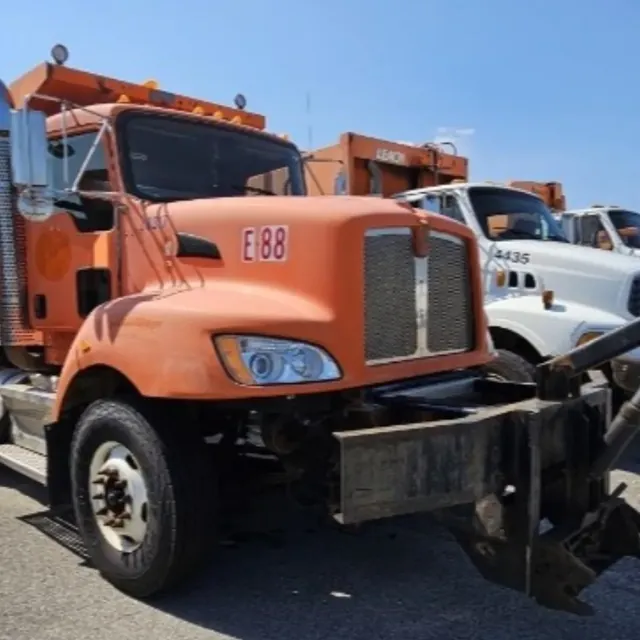
Heavy equipment is good collateral, for a specific reason
Yellow iron is easier to lend against than most machinery, and the reason is evidence. Excavators, loaders, dozers, cranes, compaction and aerial equipment sell continuously through large public auctions and dealer channels, in every region and every size class, with published results. An appraiser can anchor to recent sales of the same make, model, year and hour band rather than reasoning down from cost.
That cuts both ways. Because the evidence is public, an inflated number on a construction file is easy to disprove, and the market a supported appraisal cites can be checked by anyone reading the report.
| Step | What the appraisal does | What credit review gets |
|---|---|---|
| Premise | Chooses orderly, net orderly or forced liquidation value to fit the credit, with purpose and intended user recorded | A value that answers how the credit would unwind, not a fair market value sizing a liquidation facility |
| Schedule | Lists every unit with make, model, year, serial number, meter hours and condition, photographed and valued individually | A schedule that reconciles to the security agreement and UCC filing and catches traded or already pledged units |
| Single-machine drivers | Addresses hours against age, undercarriage, configuration, emissions tier, service record and brand depth | The fields a reviewer uses to test whether the comparables were truly comparable |
| Fleet reconciliation | Adjusts for absorption, location and the marketing period the premise assumes | A fleet liquidation figure that is not the sum of the unit figures |
| Division of roles | Supplies the supported value and the reasoning behind it | Advance rate, eligibility and discounting stay with the lender |
Pick the premise the credit needs
Three premises come up on equipment collateral and they answer different questions. Orderly liquidation value is what the assets realize in a sale the lender controls over a reasonable, planned marketing period. Net orderly liquidation value takes that down by the costs of getting there, including removal, transport and sale expense. Forced liquidation value assumes a compressed timeline and a much narrower buyer pool.
An equipment term loan, an asset-based revolver and a workout do not want the same one. A common source of trouble on a collateral file is a report written to fair market value being used to size a facility that would unwind under liquidation conditions. Tell the appraiser the purpose and the intended user before the engagement is written, and USPAP requires that we record both. A fuller comparison is in FMV, OLV, FLV and NOLV, explained.
Schedule it at the serial-number level
A block figure for "construction equipment" cannot be reconciled to a security agreement, traced to a UCC filing, or tested by a reviewer. Every unit belongs on the schedule with make, model, year, serial number, meter hours and condition, photographed and valued individually, with the total built up from the units.
- Attachments are scheduled and valued separately, not absorbed into the carrier they happened to be sitting on during the inspection.
- Titled rolling stock (on-road trucks, tractors, trailers) is separated from untitled yellow iron, because it resells through a different channel and is perfected differently.
- Emissions tier is recorded where it constrains where a machine can operate or be resold.
- Shop equipment and small tools are included. They are usually missing from the borrower's list and usually worth more than expected.
- Serial verification is what ties the appraisal to the borrower's asset list and the lien filings, and it is what catches a unit that was traded, or one already pledged elsewhere.
What moves the value on a single machine
Two excavators of the same make, model and year can be a long way apart on a schedule. Six things account for most of the spread, and an appraisal that cites comparable sales without addressing them has not finished the work.
- Meter hours against the age. A machine well under the hours its year would predict carries a premium, and one well over carries a discount. The reading is verified at the machine and noted where a meter has been replaced.
- Undercarriage and wear items. On tracked equipment the undercarriage is the single largest deferred-maintenance item, and a set at the end of its life moves the value by an amount that shows up in the comparable record.
- Configuration and attachments. Thumb, coupler, blade, boom length and bucket size decide which buyers bid. A configuration common in one region is slow in another.
- Emissions tier. Tier rating constrains where a machine can work and who can resell it, which narrows the buyer pool on older units in regulated markets.
- Service record and major component history. Documented engine, pump or transmission work inside the recent past supports the high end of the range; an undocumented machine sits at the low end.
- Brand depth in the resale channel. Makes with dense dealer and parts coverage clear faster and hold value more predictably under a compressed timeline, which is where the premise starts to matter.
These are the fields that belong on the schedule, because each one is what a reviewer uses to test whether the comparables were truly comparable. Asset-level detail by category is in what construction and heavy equipment is worth.
Reconcile the fleet, do not just add it up
A liquidation figure for a fleet is not the sum of the individual liquidation figures. Absorption matters: putting a large number of similar machines into one regional market over a short window depresses what each brings, and a fleet concentrated in a single size class is more exposed than a mixed one. Location matters, because heavy equipment is mobile and every sale carries transport and de-mobilization cost. And the marketing period the premise assumes matters, because that is the whole difference between orderly and forced.
A report that quotes clean auction comparables and stops has done half the work. The reconciliation and the reasoning behind it are what credit review reads.
Write it for credit review, not the deal
The audience is credit, then loan review, then an examiner, often working from the file alone well after the deal closed. That reader needs to see which approach led, what comparable evidence supported it, what adjustments were made and why, what was verified on site, and what was not. Where something could not be verified, such as a replaced hour meter or an attachment that may not convey, the report should name the limitation.
Advance rates, eligibility and discounting are the lender's decisions. We are independent and we do not shape a number to fit a deal. For the full scope of our lender work, see lending and collateral appraisals and how we work with lenders.
See our construction and heavy equipment appraisal specialty →
Common questions
Answers, up front.
OLV, NOLV or FLV: which should a lender order?
It depends on the credit and how it would unwind. Orderly liquidation value assumes a controlled, reasonable marketing period; net orderly takes that down by removal, transport and sale costs; forced assumes a compressed timeline. Equipment term loans and asset-based facilities usually want orderly or net orderly. Tell us the purpose and intended user and we confirm the premise in the engagement.
Why is the fleet value lower than the units added up?
Absorption, location and marketing period. Selling many similar machines into one market over a short window depresses each sale, transport and de-mobilization cost real money, and a compressed timeline narrows the buyer pool. Units are valued individually, then the fleet is reconciled for all three.
Does the appraiser set the advance rate?
No. Advance rates, eligibility and discounting are the lender's decisions. Our role is to deliver a supported value and the reasoning behind it. Keeping that line clear is part of what makes the report defensible under review.
Do you verify serial numbers on site?
Yes, wherever a unit is available to inspect. Serial verification is what ties the appraisal to the security agreement and the lien filings, and what surfaces the two common problems: a unit that was traded and never removed from the list, and a unit already pledged elsewhere.