
What is farm equipment worth?
Farm equipment is valued under USPAP by make, model, year, engine or separator hours, condition and configuration, against one of the most transparent secondary markets in machinery. Tractors, combines, planters, tillage, grain handling and hay tools trade constantly through regional farm auctions, dealer trade and online marketplaces, so comparable sales evidence is strong. What moves the number most is hours against age, the specific configuration, and when in the crop year the value date falls.
Lukes & Lukes is an independent appraisal firm; a NEBB-certified Machinery & Equipment Appraiser (CMEA) prepares every report, and a second senior appraiser reviews it.
By Jared Lukes · CEO & lead appraiserUpdated
Need a defensible value on equipment like this? Request an appraisal →
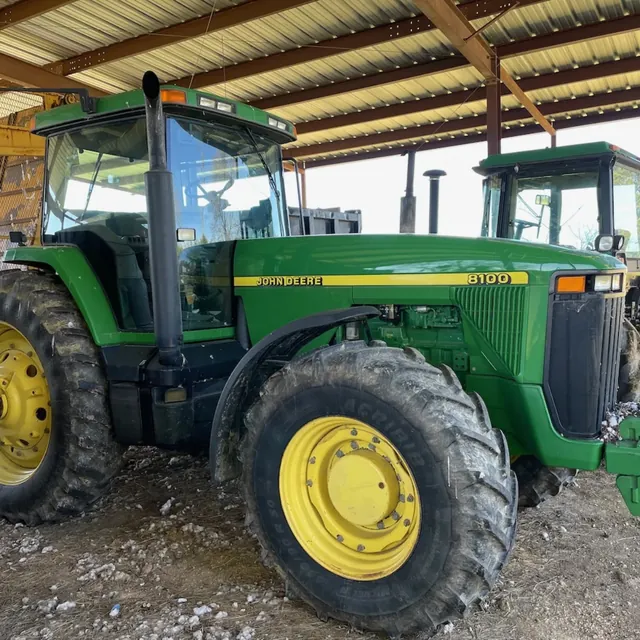
The market gives you real evidence
Agricultural equipment is unusually well documented. Farm retirement auctions, dealer trades and online equipment marketplaces publish results continuously, across every region and every size class. That depth means the sales comparison approach usually leads. An appraiser can anchor to recent sales of the same make, model, year and hour band, then adjust for condition and configuration, rather than reasoning from a depreciation schedule.
It also means a number is easy to check. An owner's estimate and a supported appraisal are rarely the same figure, and a loan, an estate or a buyout can turn on the difference.
What drives the value
- Hours against age: engine hours on tractors, and both engine and separator hours on combines. Hours read against typical annual use for the model matter more than the calendar year alone.
- Configuration: front-wheel assist or four-wheel drive, PTO and hitch setup, hydraulic remotes, duals or tracks, cab and suspension. Two machines of the same model year can be a long way apart on spec.
- Tires, tracks and undercarriage: remaining rubber is a large, visible number on large ag equipment, and buyers price it directly.
- Precision and guidance technology: receivers, displays, autosteer and rate control add value when they convey, and only when they convey. Licenses and subscriptions do not always transfer with the machine, so we confirm what is actually included.
- Heads, implements and attachments: corn and grain heads, planters, tillage and hay tools are valued in their own right, not folded into the tractor or combine.
- Documented service: records support value. Unknown history discounts it, particularly on high-hour machines and anything with a rebuilt driveline.
Farm equipment has a season
Agricultural equipment demand follows the crop calendar. Tillage and planting equipment is bid differently in the weeks before planting than it is in midsummer, and combines and heads are bid differently ahead of harvest than they are the following spring. Broader farm income also moves the market, since commodity prices and input costs decide how much iron gets replaced in a given year.
So the effective date matters on a farm assignment. A value is stated as of a date, and on seasonal equipment the date changes the answer. We set the effective date with you before we begin, and the report states what market conditions applied on it.
Which premise applies
Operating loans, equipment loans and asset-based lending usually call for orderly or net orderly liquidation value, because the lender needs to know what the collateral realizes in a sale it controls. A purchase, a sale or a partnership buy-in usually calls for fair market value. Estate, probate and divorce matters use fair market value as of a specific date, often a date in the past. Farm retirement and dispersal planning tends to look at orderly liquidation value, since that is close to what a well-marketed farm auction actually produces.
The purpose of the assignment sets the premise. Using the wrong one is a common reason a number gets challenged, so we confirm the purpose and the intended user before any inspection.
How brand and platform shape the resale floor
Not all farm iron depreciates the same way. Premium brands with deep dealer networks and strong parts support hold value better than orphaned or low-volume platforms, because the buyer pool is larger and the cost-to-own risk is lower. Within a brand, the model generation matters: a tractor whose control, transmission or emissions architecture has been superseded sells at a discount to the current platform even when the mechanical condition is good. An appraiser reading the used market prices both effects, rather than applying a single depreciation curve.
- Dealer network depth: a brand with many dealers means more trade-in activity, more parts availability and a wider buyer pool, which supports resale
- Model generation and emissions tier: a current-tier machine generally carries a premium over one on a retired emissions platform, because the older machine may face operating restrictions in some states
- Parts and service continuity: when parts are available and the platform is still serviced, the machine stays in the buyer's consideration set; when it is discontinued, value erodes faster than physical wear alone would explain
Farm estate, partnership and divorce: when the date is everything
Estate, probate, partnership dissolution and divorce matters use fair market value as of a stated date, which is often a date in the past: the date of death, the date of separation, or the date of the triggering event.
On seasonal farm equipment, a retrospective date can change the value meaningfully, because the number on March 1 (pre-planting demand) and the number on July 15 (mid-season, nobody buying) are not the same. The appraisal has to use the market evidence that applied then, not the evidence available at the time the report is written. That discipline is what makes the figure defensible in court or before an examiner.
We carry retrospective-date assignments regularly. The report states the effective date, the market conditions as of that date, and how the value was supported. For lending and collateral work where the date is current, see our lending and collateral service.
What the report has to carry
A farm equipment appraisal is itemized. Every unit is listed with make, model, year, serial number, hours and condition, photographed, and valued individually, with the total built from the units rather than estimated at the top. Heads and implements are listed separately from the machines they attach to. Where a value depends on something we could not verify, such as a subscription that may not transfer or a replaced hour meter, the report says so.
Equipment we appraise on the farm
Agricultural operations run a wide range of asset types, and we value them all as a single, coordinated engagement rather than requiring separate reports. Farm and agricultural equipment sits inside our general machinery and equipment specialty.
- Row-crop tractors and utility tractors
- Combines, corn heads and grain heads
- Planters, seeders and air drills
- Tillage and soil preparation equipment
- Grain handling: augers, dryers, bins, legs
- Hay and forage: mowers, balers, rakes, choppers
- Skid steers, loaders and earthmoving
- Trucks, trailers and rolling stock
See our agricultural and farm equipment appraisal specialty →
Common questions
Answers, up front.
What affects a tractor or combine's value most?
Hours read against the age and the model's typical annual use, then configuration (drive, hydraulics, hitch, tires or tracks, cab), condition, and whether precision guidance conveys. On combines, separator hours matter as much as engine hours. Documented service supports value; unknown history discounts it.
Does the time of year change farm equipment value?
Yes. Agricultural equipment demand follows the crop calendar, so planting and tillage equipment and combines and heads are bid differently at different points in the year. That is why the effective date of value is set deliberately on a farm assignment rather than defaulting to the inspection date.
Are implements and heads valued separately?
Yes. Planters, tillage, hay tools, grain handling, corn and grain heads are itemized and valued in their own right rather than folded into the tractor or combine. The total is built up from the units, and every unit is listed with serial number, hours and condition.
Which value premise does an ag lender use?
Operating and equipment loans and asset-based lending usually use orderly or net orderly liquidation value. A purchase, sale or partnership matter usually uses fair market value, and estate or divorce matters use fair market value as of a stated date. Your lender sets the premise it needs; we confirm it before we begin.
How is precision agriculture technology valued?
GPS receivers, autosteer systems, rate controllers and displays are valued in their own right when they convey with the machine. Whether guidance subscriptions and data licenses transfer with the sale matters: if the technology is tied to an account that does not transfer, the hardware may still have value but the integrated system does not. We verify what actually conveys before we value it.
Can you appraise an entire farm operation?
Yes. We value tractors, combines, heads, implements, tillage, grain handling, hay and forage equipment, trucks, trailers and any other machinery as a single coordinated engagement, with every unit itemized. Multi-site operations are handled with location-specific reporting.
What is the difference between an appraisal and a dealer quote?
A dealer quote reflects what one dealer would offer on trade, at that moment, for their own inventory needs. A USPAP appraisal is an independent, documented opinion of value supported by market evidence, defensible for a lender, the IRS, a court or an estate proceeding. The two numbers answer different questions, and only the appraisal carries the standard of proof those reviewing parties require.