
Packaging and bottling equipment appraisals.
A packaging appraisal from Lukes & Lukes is an independent, USPAP-compliant opinion of value for the packaging floor: fillers and cappers, labelers, form-fill-seal machines, cartoners, palletizers and complete bottling and canning lines. One question shapes the whole assignment: line or machines. A matched, running line is worth more than the sum of its stations, and a single filler pulled out of a line usually sells below its book value. Every report is built to withstand lender, SBA, IRS, audit and legal review.
What we appraise
The line, station by station.
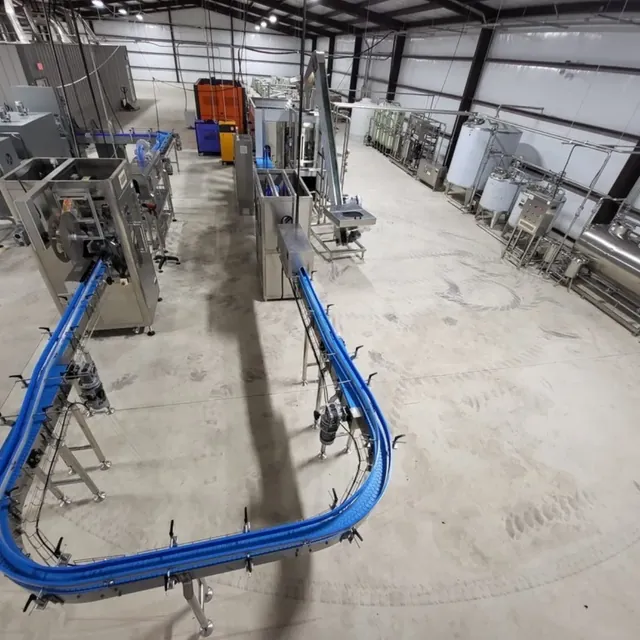
We appraise everything from a single labeler to a complete bottling or canning line, craft beverage included, and we settle the line-or-machines question before any number goes in the report.
- Filling and capping: liquid fillers, rotary and inline cappers, rinsers and seamers.
- Labeling and coding: pressure-sensitive labelers, sleeve applicators, date and lot coders.
- Forming and packing: form-fill-seal machines, cartoners, case packers and case erectors.
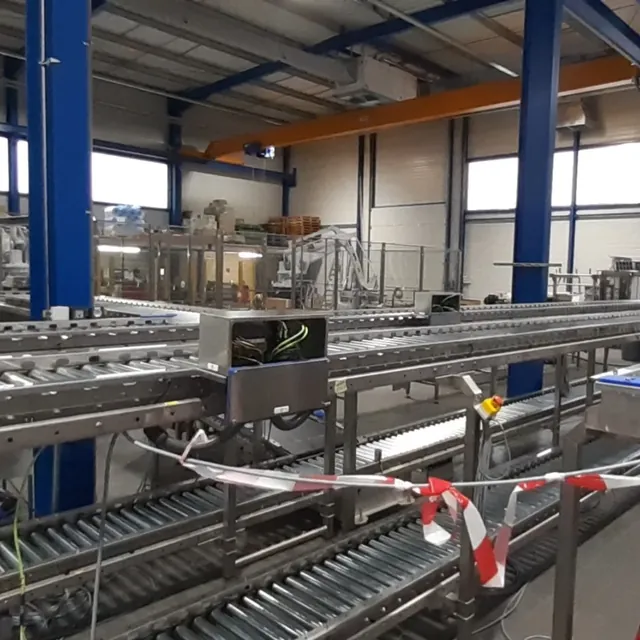
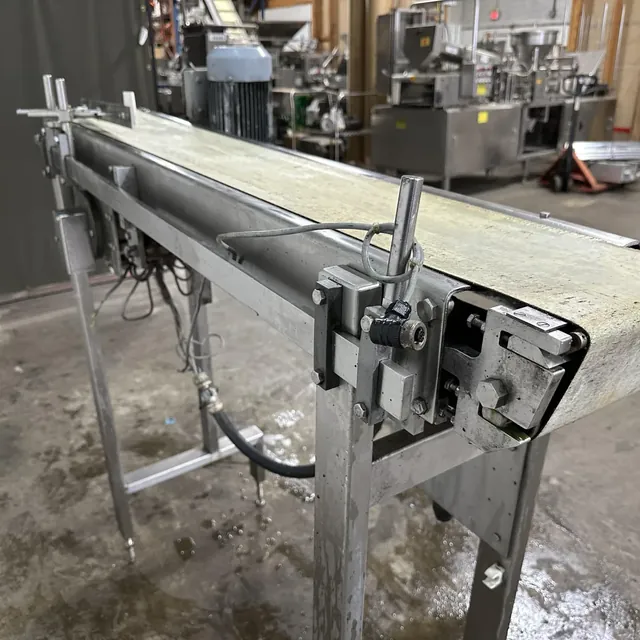
- End of line: palletizers, stretch wrappers and conveyance between stations.
- Inspection: checkweighers, metal detectors and vision inspection systems.
- Complete lines: bottling and canning lines, including craft beverage installations.
What drives the number
Integration, format, and containers per minute.
Speed is the pricing axis: a filler is bought and sold on containers per minute, and the rest of the line is sized to match it. Integration matters just as much. A matched line that runs is worth more than its machines sold separately, and a single filler pulled from a line loses the engineering that tied it to everything downstream. Changeover tooling and container formats define the buyer pool, since a machine tooled for one bottle size sells into a narrower market than one with format flexibility. Stainless, washdown, food-grade construction holds value across food, beverage and pharmaceutical buyers. Controls generation separates machines that integrate into a modern line from those that do not. In craft beverage, used canning-line values move with the market cycle: openings tighten supply, closures flood it.
Which value applies
The right premise for the situation.
The same line carries different numbers depending on why you need the appraisal. We determine and defend the premise your situation requires.
Common questions
Answers, up front.
Why is a complete line worth more than its machines sold separately?
Because a matched, running line carries the integration: the conveyance, controls and changeover engineering that make the stations work together at a common speed. Break the line apart and each machine competes on the used market alone, where a filler pulled from a line often sells below its book value.
What drives a filler's value?
Speed first, measured in containers per minute, then container format and the changeover tooling that comes with it, construction (stainless, washdown, food-grade spec holds value), and controls generation. A flexible-format filler with current controls sells into a far wider buyer pool than a single-format machine with obsolete controls.
How does the craft beverage market affect used canning line values?
Directly. When craft openings surge, used canning lines are scarce and prices firm. When closures outpace openings, lines come to market faster than buyers absorb them and values fall. We date our comparable sales and state where the cycle sits as of the effective date.
Will a lender rely on a line valued as one system?
Only if the report also shows the downside, so ours does: the line in place, and the same machines sold separately. A credit officer needs both figures, because the second one is what a recovery actually looks like. USPAP-compliant, signed by a CMEA.
Related specialties
Also under general machinery & equipment.
Plastics and injection molding equipment appraisals →