
Food processing and packaging equipment appraisals.
A food processing appraisal from Lukes & Lukes is an independent, USPAP-compliant opinion of value for the plant floor: mixers, ovens and fryers, fillers and depositors, labelers and case packers, sanitary conveyors, and refrigeration. We value each machine by age, condition, sanitary construction, throughput and the resale market for its class. A custom-integrated line and a set of standalone machines carry different values. They sell to different buyers. Every report is built to withstand lender, SBA, IRS, audit and legal review.
What we appraise
What food processing equipment do we appraise?
A food processing appraisal covers the full plant, from a single packaging line to a multi-building facility, with each class valued on its own market. Two questions run through the whole inventory: is it sanitary-rated, and how easily does it relocate.
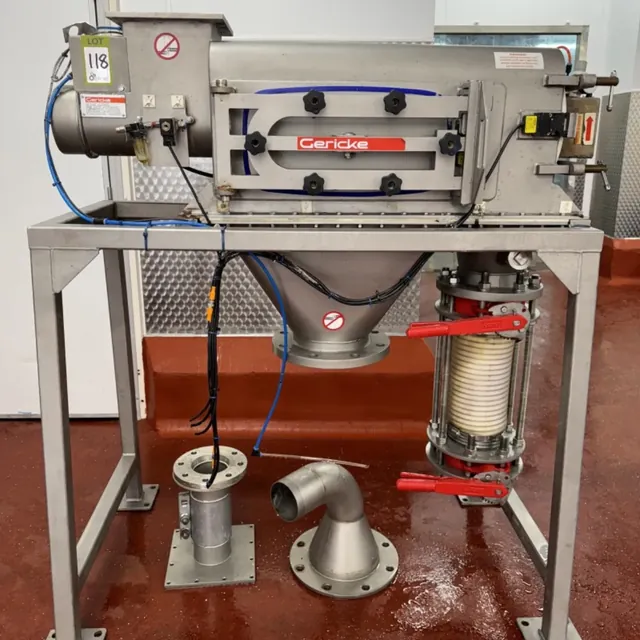
- Processing: mixers, blenders, cookers, ovens, fryers, kettles and extruders.
- Filling and packaging: fillers, cappers, baggers, labelers, case packers and palletizers.
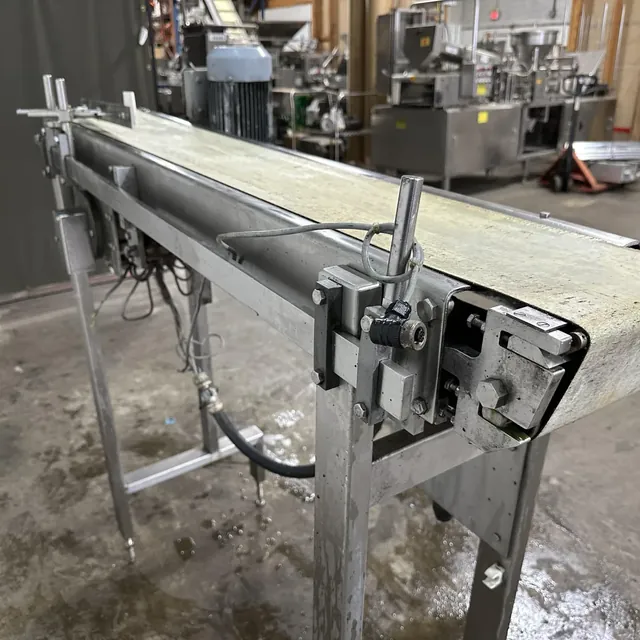
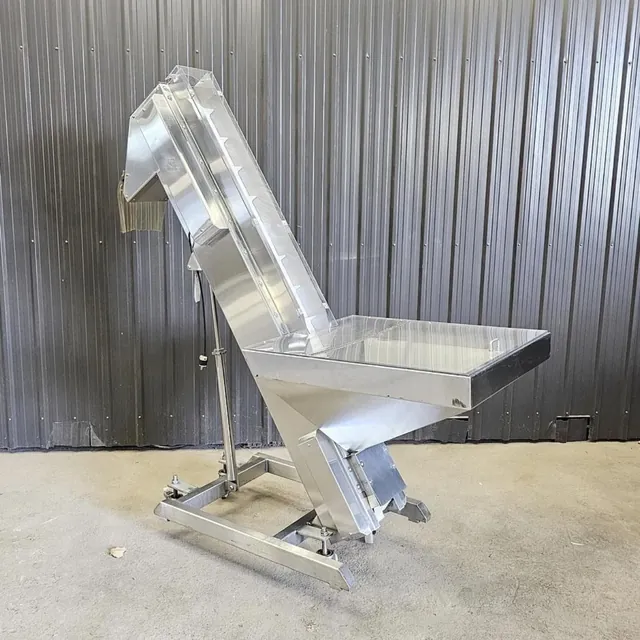
- Material handling: sanitary conveyors, elevators and accumulation tables.
- Refrigeration and thermal: chillers, blast freezers, walk-ins and ammonia or glycol systems.
- Utilities and support: compressors, boilers, water treatment and CIP systems.
What drives the value
What drives the value of food processing equipment?
Sanitary construction drives the value of food processing equipment first. Stainless, washdown-rated, food-grade equipment can move into another food plant and holds value; non-sanitary gear cannot, and trades lower. Throughput, format flexibility and documented maintenance each move the value. Integration cuts both ways. A custom continuous line is highly productive where it sits but costly to relocate, so its orderly liquidation value can sit well below what it contributes to a working plant. Standalone machines from known builders sell into a deeper buyer pool. Ammonia refrigeration adds de-install cost and regulatory obligations that buyers price in. A system holding 10,000 pounds or more of anhydrous ammonia falls under OSHA's Process Safety Management standard (29 CFR 1910.119, Appendix A).
Read the full breakdown: what food processing equipment is worth →
Depreciation patterns
How fast does food processing equipment depreciate, by category?
Depreciation in food processing is non-linear and category-dependent. Stainless sanitary equipment (mixers, kettles, CIP systems) depreciates slowly because a buyer in a different plant can put it straight to work: a well-maintained stainless mixer from a known builder can retain 40 to 60 percent of replacement cost at the ten-year mark.
Painted carbon-steel equipment depreciates faster because it cannot enter a food-grade environment without re-engineering. Custom-integrated continuous lines depreciate even faster on a liquidation basis: they are productive in place but expensive to de-install, ship and re-commission, so their orderly liquidation value can sit well below their contribution to a working plant.
Technology-dependent equipment (automated portioning, vision-guided labeling, programmable depositors) loses value more quickly as newer controls arrive. Ammonia refrigeration depreciates by regulation as much as by wear: the system carries de-install, compliance and permitting costs that any secondary buyer prices in, so its liquidation value reflects those costs even when the compressors run well. We separate each category in the report so the reader can see where the value concentrates.
Which value applies
Which value applies to a food plant: FMV, OLV or NOLV?
The value that applies to a food plant depends on why the appraisal is needed: orderly or net orderly liquidation value for lending and wind-downs, fair market value for a sale or acquisition. The same line carries different values under each premise.
Common questions
Answers, up front.
Does the report separate the equipment from the building?
Yes, explicitly. Ammonia refrigeration, insulated panel, drains and floors sit on the real property side. Process equipment, stainless tanks, fillers and conveyors sit on the equipment side. The boundary is stated so an equipment appraisal and a real estate appraisal can be read together without double counting or gaps.
How do you schedule a plant walkthrough around production?
Around sanitation and changeover, agreed before the visit. Equipment that has to be seen at rest, such as fillers, dividers and the inside of a tunnel, is inspected during the break. GMP and gowning requirements are followed on the plant's terms, not ours.
Which value premise applies?
Lending, SBA collateral and wind-downs usually use orderly or net orderly liquidation value; a sale or acquisition uses fair market value; estate and partnership matters use fair market value as of a date.
Does a food plant appraisal hold up for a lender or an insurer?
It is written so both can test it. Stainless process lines, sanitary design and refrigeration are described as installed, and the report carries the in-place conclusion and the removed conclusion rather than one value, because that spread is the lender's real exposure. USPAP-compliant, signed by a CMEA.
What is a food processing equipment appraisal?
A food processing equipment appraisal is an independent, USPAP-compliant opinion of value for the machinery, packaging lines, refrigeration and support equipment in a food or beverage facility. It is prepared by a certified appraiser who inspects each asset on site, confirms its sanitary construction and condition, and develops a value supported by market evidence, under the premise (FMV, OLV, FLV or NOLV) that the assignment requires.
How does food processing equipment depreciate?
Depreciation is category-dependent. Stainless sanitary equipment (mixers, kettles, CIP systems) depreciates slowly because it can move into another food plant with little modification. Painted carbon-steel equipment depreciates faster because it cannot enter a food-grade environment as-is. Custom-integrated lines depreciate fastest on a liquidation basis, because the de-install and re-commission costs narrow the buyer pool. Technology-dependent equipment loses value as newer controls arrive, and ammonia refrigeration depreciates by regulation as much as by wear.
Do ammonia refrigeration systems affect a food plant appraisal?
Yes. Ammonia systems are regulated, and any secondary buyer prices in the de-install cost, environmental compliance and permitting required to relocate or decommission the system. That means the liquidation value of ammonia refrigeration often sits well below its in-place utility, even when the compressors are in good working order. We break out refrigeration separately so the reader can see its effect on the total.
Related specialties
Also under general machinery & equipment.
Industrial HVAC, compressors and plant support equipment appraisals →