
Restaurant and commercial kitchen equipment appraisals.
A restaurant equipment appraisal from Lukes & Lukes is an independent, USPAP-compliant opinion of value for the full back and front of house: cooking lines, hoods and fire suppression, walk-ins and refrigeration, prep and warewashing, bar systems and FF&E (furniture, fixtures and equipment). Kitchen equipment depreciates hard against a deep used-dealer market, and the installed assets often cost more to remove than they return. We state the FF&E versus leasehold improvement line the way a lender needs it. Every report is built to withstand lender, SBA, IRS, audit and legal review.
What we appraise
The kitchen, line by line.
We value the whole operation, from a single-location cafe to a multi-unit kitchen package, and we separate the equipment from the leasehold improvements before the number goes in the report.
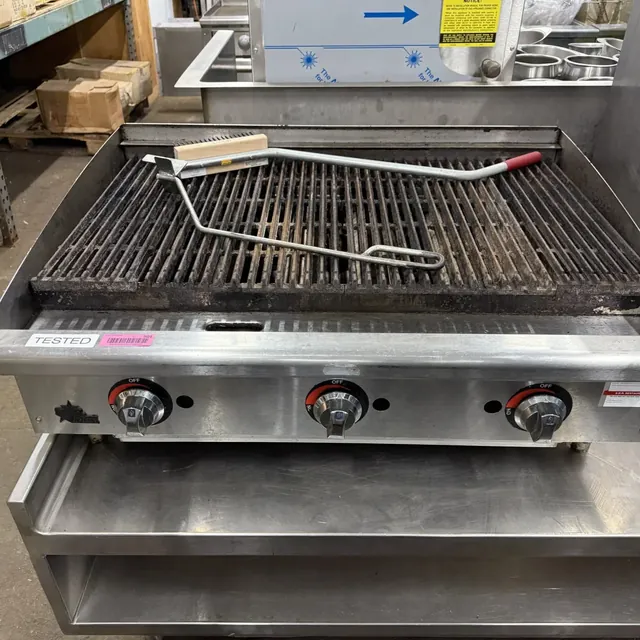
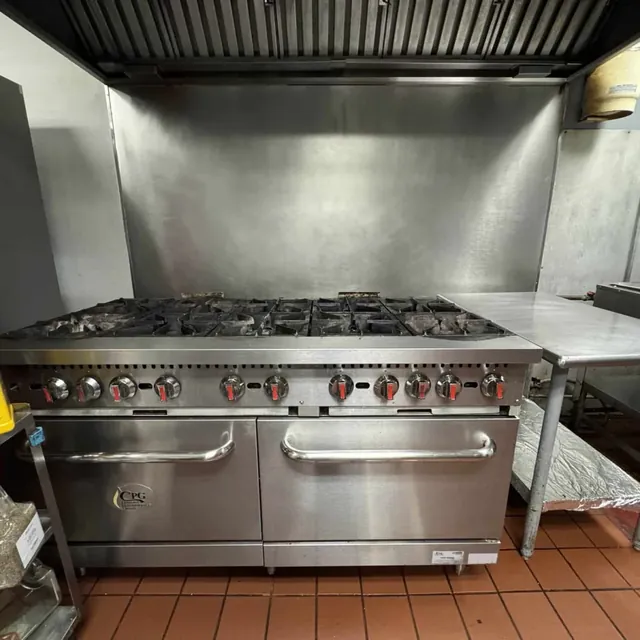
- Cooking lines: ranges, ovens, fryers, griddles, charbroilers and combi ovens.
- Ventilation and safety: hoods, makeup air and fire suppression systems.
- Refrigeration: walk-in coolers and freezers, reach-ins and prep tables.
- Prep and warewashing: mixers, slicers, food processors and dish machines.
- Beverage, bar and FF&E: espresso and bar systems, ice machines, seating, tables and smallwares.
What drives the number
Brand tier, condition, and what is bolted to the building.
Restaurant equipment takes its steepest depreciation in the first owner's hands, because the used-dealer market is deep and buyers can source clean equipment readily. Brand tier matters: heavy-duty lines hold value, light-duty equipment does not. Condition is read against the health code, since a buyer inherits the inspection. The installed assets cut the other way. Hoods, fire suppression and walk-ins are expensive to buy and install but often cost more to remove than they return, so their liquidation value can be near zero while their value in place is substantial. And because most restaurants lease their space, we state which assets are FF&E and which are leasehold improvements, the distinction a lender's collateral position depends on. SBA change-of-ownership loans are the most common reason a restaurant appraisal gets ordered.
Which value applies
The right premise for the situation.
The same kitchen carries different numbers depending on why you need the appraisal. We determine and defend the premise your situation requires.
In one minute
Three things that decide the number.
The purpose sets the number, installed is not the same as removed, and condition is verified on site. One minute, before you buy, sell, or finance a commercial kitchen.
Common questions
Answers, up front.
Why does restaurant equipment lose value so fast?
Because the used-dealer market is deep. Buyers can source cleaned, tested equipment from dealers nationwide, so the steepest depreciation lands on the first owner. Heavy-duty brands hold value better than light-duty lines, and condition is read against the health code, since the next owner inherits the inspection.
What are hoods, walk-ins and fire suppression worth?
In place, a lot; removed, often close to nothing. These are installed assets, and the cost to dismantle, cap, patch and freight them frequently exceeds what they bring at resale. That is why their value in a going concern is substantial while their liquidation value can be near zero, and why we state both when the assignment calls for it.
What is the difference between FF&E and leasehold improvements?
FF&E is the furniture, fixtures and equipment the business owns and could remove: cooking equipment, refrigeration, seating, smallwares. Leasehold improvements are built into the landlord's space: ductwork, plumbing, flooring, built-in counters. Lenders need the line stated correctly because only the FF&E secures the loan, and we draw it asset by asset.
Will an SBA lender accept a restaurant FF&E appraisal?
It is written for that file. Furniture, fixtures and equipment stay separate from leasehold improvements and from the real property, which is the split that gets 7(a) restaurant files sent back. Hoods, walk-ins and fire suppression are addressed explicitly. USPAP-compliant, signed by a CMEA.
Related specialties
Also under general machinery & equipment.
Woodworking equipment appraisals →