
Material handling equipment appraisals.
A material handling appraisal from Lukes & Lukes is an independent, USPAP-compliant opinion of value for the warehouse and distribution floor: forklifts and lift trucks, pallet racking and shelving, conveyors and sortation, and automated storage. Two facts decide most of these values. Forklift fleets are often leased, so we confirm title before a truck counts as collateral. And installed assets, racking above all, lose much of their value to dismantling and freight the moment they leave the building. Built to withstand lender, SBA, IRS, audit and legal review.
What we appraise
The warehouse, asset by asset.
We value the handling and storage fleet, from a few forklifts to a fully automated distribution center, and we settle ownership and removal cost before the number goes in the report.
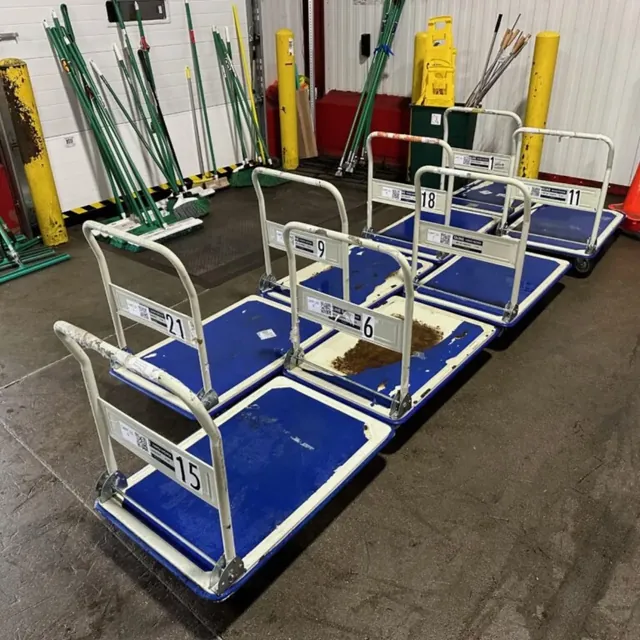
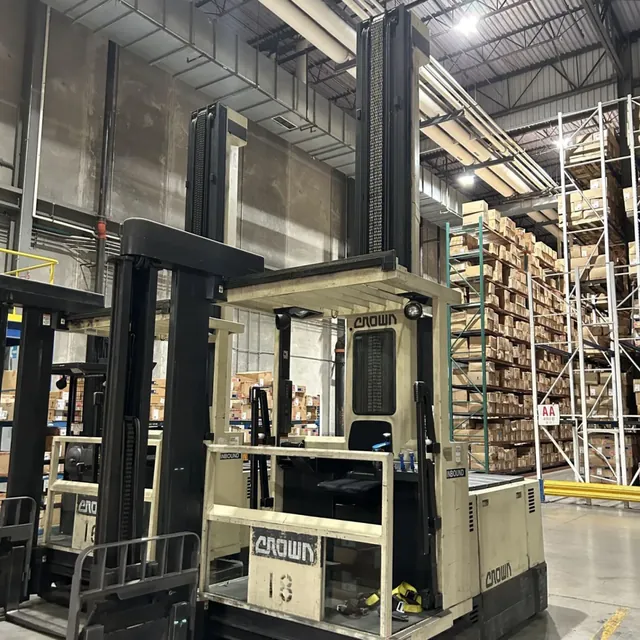
- Forklifts and lift trucks: counterbalance, reach, order pickers and pallet jacks.
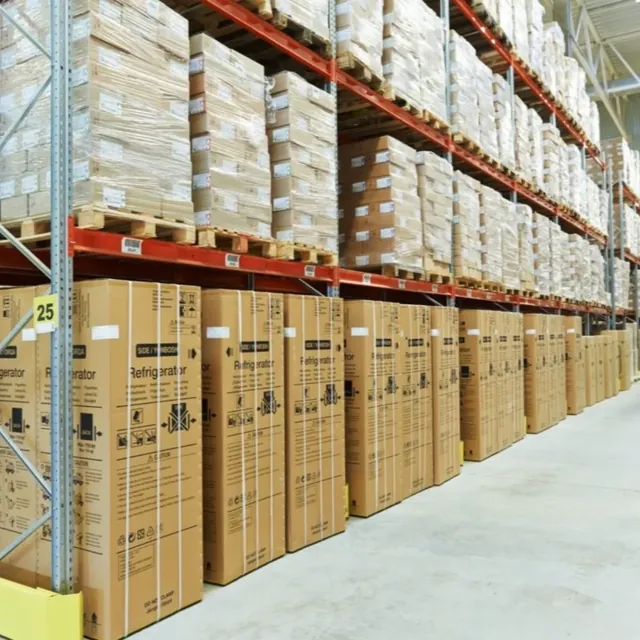
- Storage: selective, drive-in and pushback racking, shelving and mezzanines.
- Conveyor and sortation: belt, roller, accumulation and automated sortation.
- Automated guided vehicles and mobile robots: AGV tuggers, forked and unit-load carriers on fixed guide paths, and free-navigating autonomous mobile robots (AMRs).
- Automated storage and retrieval (AS/RS): cranes, shuttles, vertical lift modules and carousels, usually built into the rack structure.
- Robotic picking and goods-to-person: pick cells, piece-picking arms, put walls, and the vision and control systems that run them.
- Dock and yard: dock levelers, balers and yard support equipment.
What drives the value
Ownership, hours, and the cost to remove.
Forklift fleets are frequently leased, and leased trucks are not the business's assets, so we confirm title first. Forklifts then trade on class, hours, power type (electric vs LP or diesel), capacity and attachments. Racking is a low-value-per-pound installed asset, so its value is dominated by the cost to dismantle, freight and reinstall, which is why a full warehouse of racking is worth far less at liquidation than it looks. Conveyors, sortation and AS/RS are custom and integrated, worth more to a going concern than in a sale.
Automation is read differently again. On AGVs, AMRs, AS/RS and robotic picking, a large share of the original spend went to engineering, integration, commissioning and software, and none of that travels with the hardware when the system comes out.
So the value turns on whether the control software and licenses transfer, whether the vendor still supports that generation, the condition of the battery packs on a mobile fleet, and how tightly the system was engineered to one building. Free-navigating AMRs redeploy most readily. Rack-supported AS/RS is the hardest case.
Read the full breakdown: what material handling equipment is worth →
What AGVs and warehouse automation are worth →
Warehouse equipment appraisal: what the full operation covers →
Which value applies
The right premise for the situation.
The same warehouse carries different numbers depending on why you need the appraisal. We determine and defend the premise your situation requires.
Common questions
Answers, up front.
What drives a forklift's value?
Class, hours, power type (electric vs LP or diesel), capacity, mast height and attachments, measured against a deep used market. We also confirm whether the truck is owned or leased, since leased units are not the business's assets and cannot serve as its collateral.
How do you count racking and shelving on site?
By bay, beam level and upright type, with load capacity plates sampled, rather than by a square-foot estimate. The report then carries the dismantle and freight cost that decides what the racking is worth once removed, so a lender reads a recovery figure instead of a replacement figure.
When is the best time to read the lift truck fleet?
At the charger, between shifts, when the fleet is in one place and the hour meters are readable. A yard walk during operations misses whatever is out working, and the hour meter is the single number that moves a forklift's value most.
Does this work for an asset-based lender's collateral file?
That is the common use. Lift trucks are scheduled individually by serial and hours, racking and installed conveyor are valued at what they are worth once removed, and orderly and forced liquidation conclusions are both stated. USPAP-compliant, signed by a NEBB-certified Machinery & Equipment Appraiser.
Related specialties
Also under general machinery & equipment.
Packaging and bottling equipment appraisals →