
What is diminished value, and when does equipment have it?
Diminished value is the difference between what a vehicle, trailer or machine would have sold for undamaged and what it sells for after damage and repair. It exists because the market pays less for a unit with a damage history, even when the repair is complete and sound. Lukes & Lukes is an independent Machinery & Equipment (M&E) appraisal firm; a NEBB-certified Machinery & Equipment Appraiser (CMEA) prepares every report, and a second senior appraiser reviews it.
By Jared Lukes · CEO & lead appraiser
Need diminished value supported on a live file? Request an appraisal →
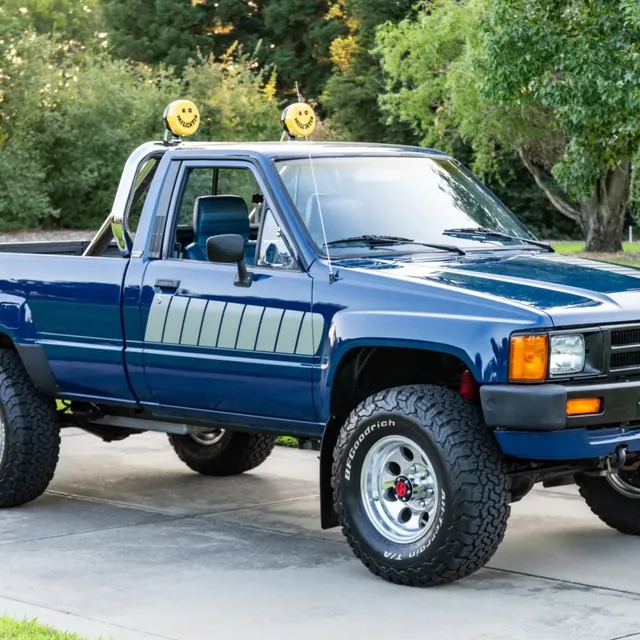
What diminished value measures
A repair estimate answers what it costs to fix the damage. Diminished value answers what the unit is worth afterward. The two are separate losses. A frame straightened to specification and repainted to match can be mechanically sound and still sell below an identical unit with no history, because the next buyer learns of the damage from the title record, an inspection or a service file.
The measure is a market one: value before the loss, less value after repair, both as of the loss date.
Inherent and repair-related diminished value
Two terms recur on claims, and their use varies by jurisdiction and by policy.
- Inherent diminished value. The loss that follows from the damage history alone, assuming the repair was done correctly.
- Repair-related diminished value. The additional loss where the repair is incomplete, uses substandard parts or leaves a defect that a buyer would price.
A report states which loss it measures. Where a repair is in question, the inspection documents the condition of the repair.
When equipment has diminished value
The concept is not limited to passenger cars. It applies wherever a damaged unit is repaired and resold into a market that discounts damage history.
- Trucks, tractors and trailers. Collision and rollover history appears on the VIN record and in the service file. Fleet buyers and dealers ask for both.
- Construction, farm and industrial machines. A tip-over, a fire, a flood or a structural repair to a boom or frame stays in the serial-number history and the maintenance records.
- Specialty and collector vehicles. Originality is a large part of the value, and a documented repair changes what a buyer pays.
- Machinery with a precision or certification record. A machine that was damaged and re-leveled, re-certified or re-calibrated is priced against one that never was.
A unit that is a total loss, or that the owner is replacing, has a different question: actual cash value or replacement cost. That is covered in ACV vs RCV on an equipment insurance claim.
Where a diminished value claim comes from
Most claims are brought against the party that caused the damage, through that party's liability insurer. Many first-party policies exclude diminished value, and some states restrict or bar recovery. What is recoverable, and under what standard, is a legal and policy question that counsel or the policy language answers. The appraisal supplies the supported amount of the loss.
The same measurement is used in litigation, in settlement between a fleet owner and a carrier, and in a lender's review of collateral that has a repair history.
What the report contains
A diminished value report is an equipment appraisal under USPAP. The unit is personal property, so it is developed and reported as one. We confirm the intended use, the effective date and the definition of value in writing before the inspection.
- The pre-loss condition and value, supported by retail and auction evidence for the same year, spec, mileage or hours.
- The post-repair condition, from an inspection of the unit and the repair work.
- The post-repair value, supported by market evidence for units with comparable damage history.
- The difference, with the method and each assumption stated.
What we need to start
- The VIN or serial number, mileage or hours, and the options and upfits.
- The repair estimate, final invoice and photographs of the damage before and after repair.
- The claim correspondence, including any offer or valuation the carrier has issued.
- Maintenance and service records before the loss.
- Access to the unit, and the date the report is needed.
See our automotive and vehicle appraisal work →
Fleet vehicles and rolling stock →

Video · 1:05 · with transcript
Diminished Value: 3 Things to Know Before You Settle
The three things to know before accepting an insurer's diminished value offer after a collision repair: the accident history follows the VIN, the insurer's first number is not evidence, and documentation decides the outcome.
Common questions
Answers, up front.
Is diminished value the same as the cost of repair?
No. The cost of repair is what it takes to fix the damage. Diminished value is the loss in market value that remains after a complete repair, because buyers pay less for a unit with a damage history.
Does a commercial truck, trailer or machine have diminished value?
It can. Where a damaged unit is repaired and sold into a market that discounts damage history, the loss is measurable. The evidence comes from retail and auction sales of comparable units, with and without a recorded history.
Who pays for diminished value?
Usually the party that caused the damage, through its liability insurer. Many first-party policies exclude it and some states limit recovery. Counsel or the policy language decides what is recoverable; the appraisal supports the amount.
What is the difference between inherent and repair-related diminished value?
Inherent diminished value is the loss that follows from the damage history even when the repair is done correctly. Repair-related diminished value is the additional loss where the repair is incomplete or substandard. A report states which it measures.