
What is a machine shop worth?
A machine shop's total worth is more than its equipment. Real estate, receivables, backlog and goodwill all factor into a sale or succession, and those pieces belong to a business appraiser or a CPA. The equipment itself, the CNC machines, lathes, mills, saws, welders and the tooling that runs the floor, is usually the largest single line item, and it is the one buyers, lenders and courts test first because it can be verified machine by machine. Lukes & Lukes is an independent appraisal firm; every equipment valuation is prepared by a NEBB-certified Machinery & Equipment Appraiser (CMEA) and built to withstand lender, SBA, IRS, audit and legal review.
By Jared Lukes · CEO & lead appraiser · September 8, 2026
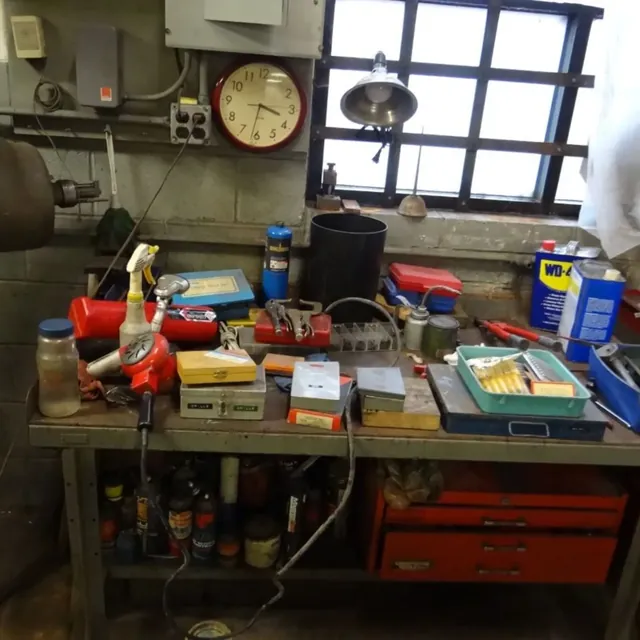
What does "the shop" actually include?
Asked plainly, the question usually means one of two things: what the whole business would sell for, or what the equipment on the floor would bring. They are not the same number, and conflating them is where a lot of shop sales and buyouts go sideways.
- The equipment fleet: every machining center, lathe, mill, saw, welder, and the tooling and fixtures that run with it. Usually the largest identifiable asset, and the one with the most observable resale market.
- Real property: if the shop owns its building, that is a separate appraisal discipline (real estate), not equipment.
- Working capital: receivables, inventory and work in process, which a CPA or accountant typically prices off the books.
- Backlog and customer relationships: open orders and the standing book of business, which a buyer prices into the deal separately from the hard assets.
- Goodwill: the shop's reputation, key employees and earnings above what the assets alone would generate. This is business valuation territory, typically a CPA or a credentialed business appraiser.
Lukes & Lukes appraises the equipment component. On most shop transactions we work alongside the CPA or business appraiser handling the rest, each of us covering the piece we are credentialed for.
How the equipment fleet is valued
The fleet is not priced as a lump sum. Every unit gets inventoried and valued on its own facts, then rolled into a schedule with a fleet total.
- Make, model and control generation: a machine on a current, supported control trades differently than one on an orphaned control, regardless of how sound the iron is.
- Hours, condition and maintenance history: posted hours and documented upkeep speak to remaining useful life more than the year of build.
- Tooling, fixtures and workholding: live tooling, probing, chucks, pallets and the tool crib carry real value and are inventoried rather than assumed.
- The active resale market: what comparable machines actually sell for through dealers, rebuilders and auction, not a list price.
We apply the sales comparison, cost and income approaches under USPAP and weight them to the evidence each asset class supports. No value is quoted before the shop is inspected in person; condition, retrofits and what is actually in the tool crib are facts we confirm, not figures we accept on faith.
Which value premise applies?
The same fleet carries a different number depending on why the appraisal exists. The premise follows the reason, not the other way around.
- Fair market value (FMV): a shop sale, a partner buyout, or an estate or divorce division. A willing buyer and seller, neither compelled.
- Orderly liquidation value (OLV) and net orderly liquidation value (NOLV): financing the purchase of a shop, or an existing loan where the equipment secures the credit.
- Forced liquidation value (FLV): a shop closing down, where the fleet has to move quickly.
A buyer financing a shop acquisition with an SBA loan, for example, needs an independent, on-site appraisal to support the collateral file, and that number is not the same as what the seller would ask in a private sale. See what a 7(a) file needs from an equipment appraisal for how that collateral math works.
When shops order this appraisal
- Selling the business: to price the equipment component of an asking price or a purchase agreement.
- Buying a shop: when a bank or SBA lender requires an independent equipment value to underwrite the acquisition.
- Partner buyout or shareholder dispute: to settle what one owner's share of the fleet is worth.
- Estate or divorce: to divide or settle a family-owned shop's equipment as of a specific date.
- Insurance scheduling: to set replacement cost on the fleet independent of what it would sell for.
One minute on CNC values
Configuration, installed condition, and verified serial and hour data read from the control.
See our CNC and metalworking equipment appraisal specialty →
Common questions
Answers, up front.
Does an equipment appraisal tell me what my whole shop is worth?
No. It tells you what the machinery and equipment are worth. A shop's total worth also includes real estate if owned, working capital, backlog and goodwill, which a CPA or a credentialed business appraiser prices separately. The equipment appraisal is usually the largest and most verifiable piece of that total.
Is the value different if I am selling the shop versus financing its purchase?
Yes. A sale or buyout typically calls for fair market value (FMV). Financing an acquisition through a bank or the SBA typically calls for orderly liquidation value (OLV) or net orderly liquidation value (NOLV), which sets the collateral position rather than the asking price. The fleet has not changed. The reason for the number has.
What gets inventoried in a machine shop appraisal?
Every machine on the floor, identified by make, model and serial number, along with the tooling, fixtures and workholding that convey with it. Each unit is valued on its own condition, hours and control generation, then rolled into a schedule with a fleet total.