
Laboratory and diagnostics equipment appraisals.
A laboratory equipment appraisal from Lukes & Lukes is an independent, USPAP-compliant opinion of value for clinical and diagnostic analyzers: chemistry and immunoassay, hematology, molecular and PCR, mass spectrometry, and general lab. We start by confirming what the lab actually owns, because many analyzers sit under reagent-rental agreements and belong to the vendor, not the lab. We then value each owned platform by generation, throughput, service status and the resale market. Built to withstand lender, SBA, IRS, audit and legal review.
What we appraise
Owned analyzers, valued on their own market.
We value the instruments the lab actually owns, by category, after confirming title. That ownership step is the one most often missed, and it is the first thing a careful reviewer checks.
- Chemistry and immunoassay: standalone and integrated analyzers and lines.
- Hematology and coagulation: analyzers and slide makers.
- Molecular and PCR: extraction, amplification and sequencing platforms.
- Mass spec and chromatography: LC-MS/MS, GC and HPLC systems.
- General lab: centrifuges, incubators, freezers, microscopes and point-of-care.
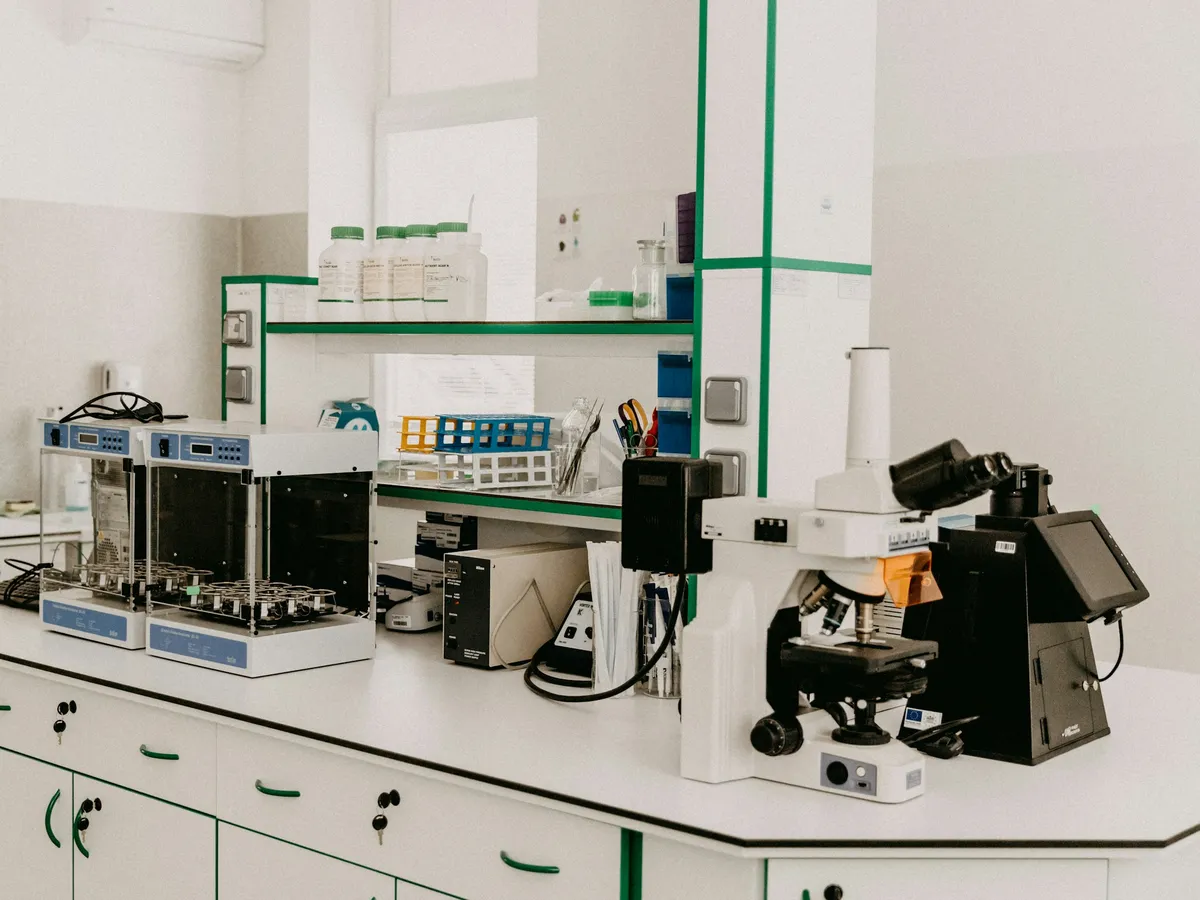
What drives the value
First ownership, then the platform.
Many analyzers sit in the lab under reagent-rental or cost-per-test agreements and belong to the manufacturer, so they cannot be appraised as the lab's assets. Once title is confirmed, platform generation and manufacturer support carry the most weight. Throughput, configuration, service and calibration status, and whether the system serves a current testing menu settle the rest. A platform tied to discontinued assays, or out of support, takes a discount.
Read the full breakdown: how to value used laboratory equipment →
Which value applies
The right premise for the situation.
The same analyzer carries different numbers depending on why you need the appraisal. We determine and defend the premise your situation requires.
Common questions
Answers, up front.
Why does ownership matter so much for lab analyzers?
Because many analyzers are placed under reagent-rental or cost-per-test agreements and belong to the vendor, not the lab. Those instruments are not the lab's assets and do not belong in an appraisal of the lab's equipment. Confirming title first keeps the value honest, and it is the first thing a careful reviewer checks.
What happens during an inspection in a working lab?
The walkthrough is arranged around the run schedule, so no instrument comes out of service. Each analyzer is recorded with its configuration, current testing menu, service and calibration status, and the document that says who owns it. Photographs stay away from patient-facing areas and specimen labels.
Which premise should a lab buyer or a lender ask for?
A buyer usually wants fair market value in continued use, because the lab keeps running. A lender usually wants a liquidation premise, orderly or net orderly, because it may not. When a transaction could still go either way, ask for both: one report can carry more than one conclusion when the purpose calls for it.
Who accepts a laboratory equipment appraisal?
Equipment lenders and lab or practice acquirers, and occasionally an insurer rebuilding a schedule. All of them read the same three things: an itemized instrument list, a stated premise, and comparables drawn from the secondary market for that platform rather than from list prices. USPAP-compliant, signed by a NEBB-certified Machinery & Equipment Appraiser (CMEA).
Related specialties
Also under healthcare, medical & dental.
Ophthalmology and optometry equipment appraisals →